How to Reduce Cart Abandonment on Your Online Store
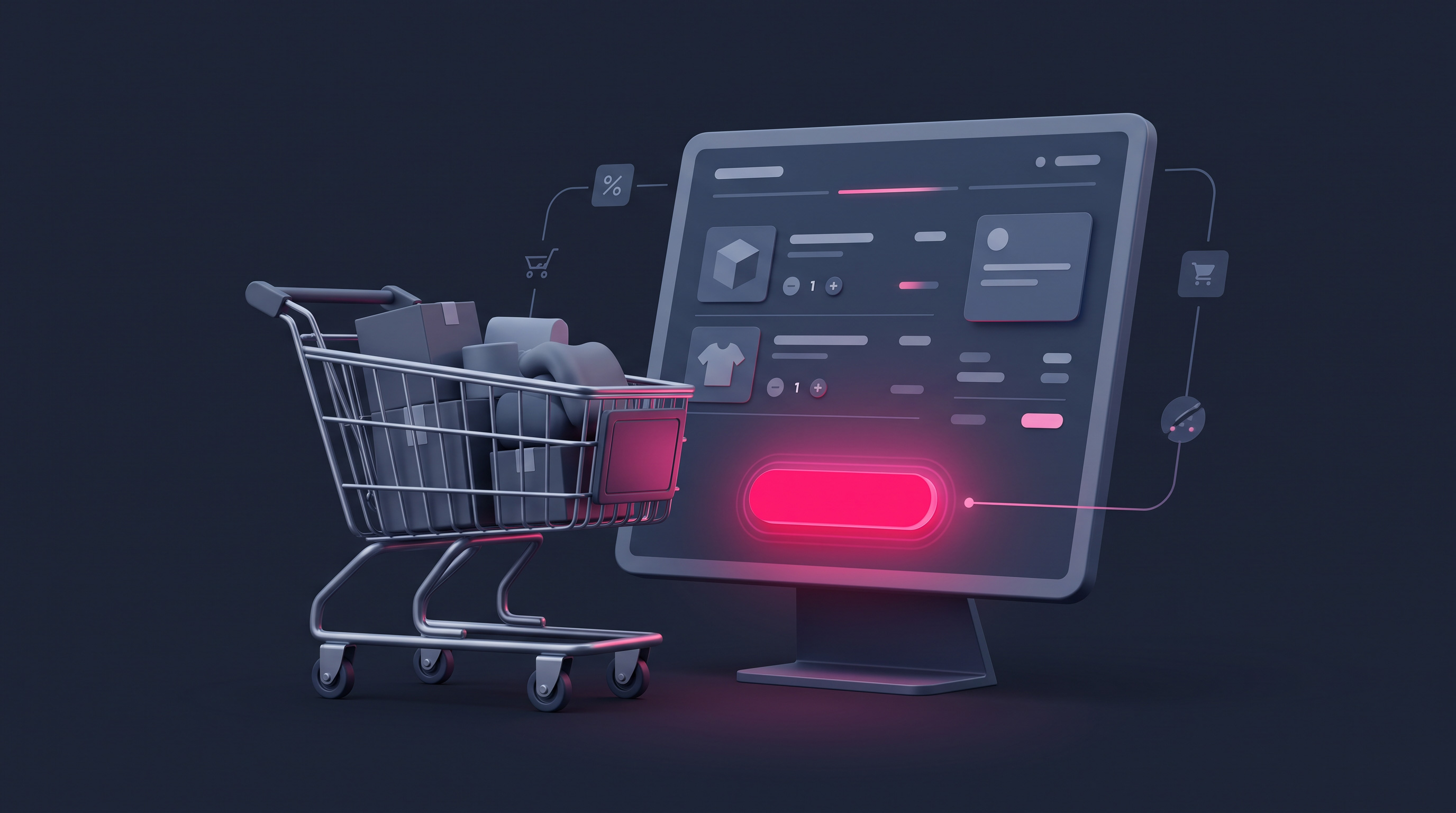
Most people who add something to their cart on your online store never actually buy it. That’s not a sign your store is broken — cart abandonment is normal everywhere — but every abandoned cart is a customer who wanted your product and stopped just short of paying. The good news is that a lot of that lost revenue is recoverable with some straightforward fixes. This guide explains why Pakistani shoppers abandon carts and exactly what to do about it.
Key takeaways
- Most shoppers abandon their carts — recovering even some of them lifts revenue a lot.
- Surprise costs and a long, confusing checkout are the biggest culprits.
- Offering Cash on Delivery removes a major barrier for Pakistani buyers.
- A short, mobile-friendly checkout with no forced account converts far better.
- Follow-up reminders recover carts that were abandoned by distraction, not decision.
Why cart abandonment matters
When someone adds a product to their cart, they’ve done the hard part — they’ve found you, browsed, and decided they want it. Abandonment means you lost them at the very last step, which is both the most frustrating place to lose a sale and the easiest to fix. Small improvements to your checkout can recover a meaningful share of that revenue without spending a rupee more on marketing to bring new visitors in.
That’s what makes reducing abandonment so valuable: it improves the return on all the effort you already put into attracting shoppers. Fixing a leaky checkout is almost always cheaper and faster than driving more traffic to it.
1. Remove surprises at checkout
The single biggest reason people abandon carts is an unexpected cost appearing at the last moment — usually a delivery charge they didn’t see coming. When the total jumps at checkout, trust drops and people leave. Be upfront about shipping costs early, ideally on the product page or cart, so there are no nasty surprises when they’re ready to pay.
Where you can, consider building delivery into your pricing or offering free delivery above a certain order value — a tactic that both removes the shock and nudges people to add more. The goal is simple: the number they see early should be the number they pay.
2. Offer the payment methods people trust
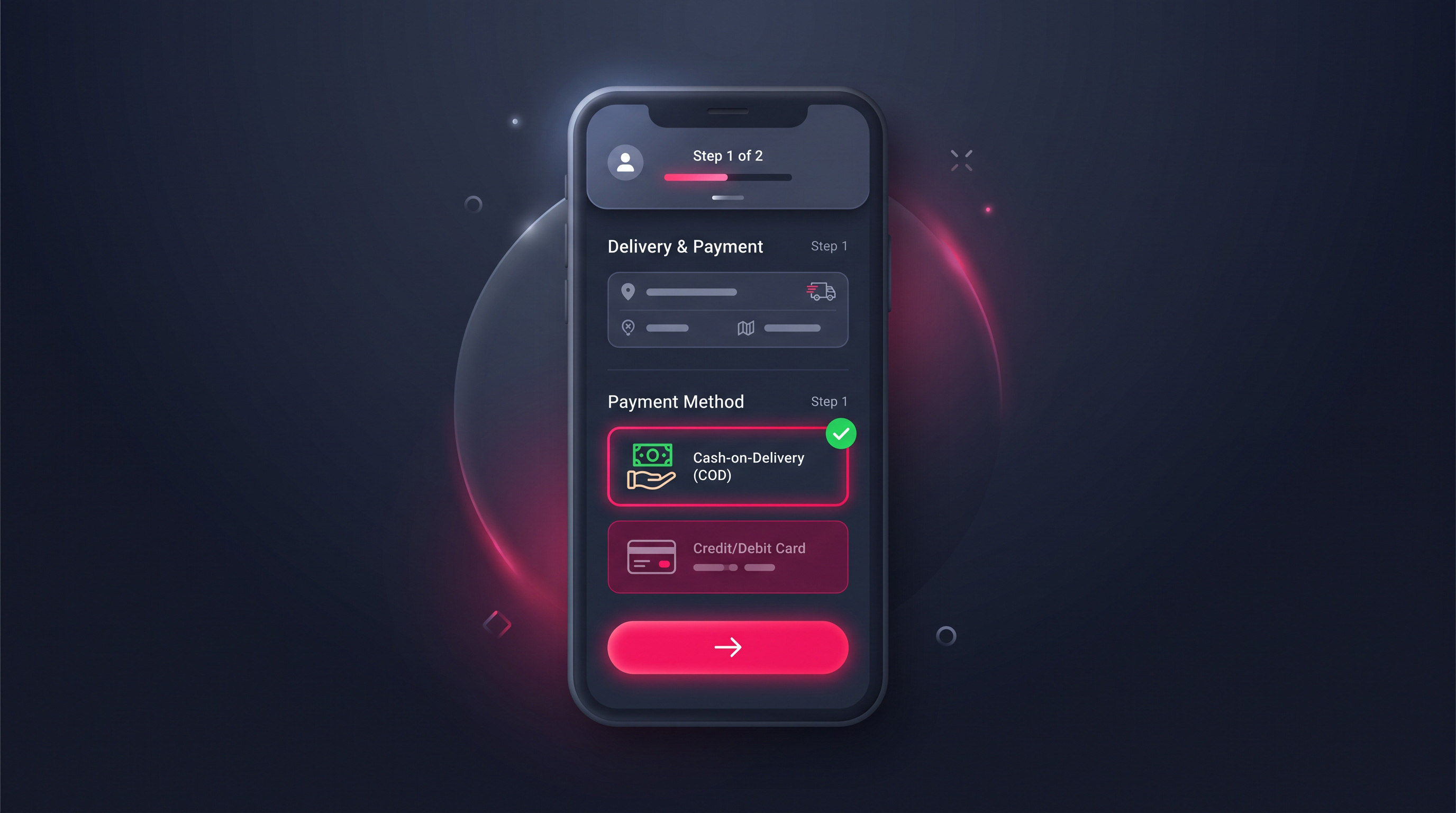
If a shopper reaches checkout and can’t pay the way they’re comfortable with, they leave. In Pakistan that most often means Cash on Delivery — a huge share of buyers still prefer to pay when the order arrives, and not offering it turns willing customers away at the final step. Offer COD alongside card and bank transfer so every kind of buyer has a way to complete the purchase.
Payment trust is especially important for first-time buyers who don’t yet know your brand. Cash on Delivery lets them try you with zero risk, which is often the difference between a first order and a bounce. Our guide on accepting online payments in Pakistan covers the full range of options.
3. Shorten and simplify the checkout
Every extra field and every extra step is another chance for someone to give up. Long forms, forced account creation, and confusing layouts all bleed sales. Let people check out as a guest, ask only for the details you genuinely need to fulfil and deliver the order, and keep the whole thing to as few steps as possible. A checkout someone can complete in under a minute converts far better than one that feels like paperwork.
Test it yourself on a phone, because that’s where most of your customers are. If any step is fiddly, slow, or unclear on a mid-range phone over mobile data, fix it — that friction is directly costing you orders.
The one-minute test: time yourself buying a product on your own store using your phone. If it takes more than a minute or makes you hesitate at any point, your customers are hesitating too — and some are leaving.
4. Follow up on abandoned carts
Plenty of carts are abandoned for innocent reasons — a distraction, a poor signal, a “let me think about it.” These are highly recoverable with a gentle reminder. A follow-up message or email a few hours later, nudging the customer to complete their order, recovers a share of sales that would otherwise vanish. Keep it friendly and helpful rather than pushy.
For this to work you need to capture contact details early in the checkout, and have the tools to send the reminder — something most store platforms support directly or through an add-on. It’s one of the highest-return improvements you can make, because you’re recovering customers who already wanted to buy.
5. Build the trust that makes people feel safe buying
A lot of last-moment hesitation comes down to trust, especially for a first-time buyer who doesn’t know your brand yet. Small signals reassure them at exactly the right moment: visible customer reviews, a clear and fair returns policy, a real phone number or WhatsApp contact, and a checkout that obviously looks secure. When a shopper feels safe, the doubt that makes them close the tab disappears and they complete the order.
This matters even more in Pakistan, where online shopping trust is still growing and buyers are understandably cautious about paying a business they’ve just discovered. Cash on Delivery does a lot of the heavy lifting here, but pairing it with genuine reviews and easy ways to reach you turns a nervous first-time visitor into a confident customer. Trust isn’t a single feature — it’s the accumulation of small signals that say “this is a real, reliable business.”
The bottom line
Cart abandonment isn’t a flaw to feel bad about — it’s an opportunity hiding in plain sight. Remove surprise costs, offer the payment methods Pakistani shoppers trust (especially Cash on Delivery), shorten your checkout, and follow up on carts that slip away. Each fix recovers sales you’ve already earned the right to, which makes this some of the highest-value work you can do on your store. For the wider picture, see our full guide to starting an online store in Pakistan.
Losing sales at checkout?
We build and optimise online stores for Pakistani businesses with fast, simple checkouts, Cash on Delivery, and cart recovery built in — so more of your visitors actually buy. Tell us about your store and get a clear plan within 24 hours.
Frequently asked questions
What is a normal cart abandonment rate?
Across e-commerce, the majority of carts are abandoned — it’s completely normal, so don’t panic at a high figure. What matters is steadily reducing it. Even recovering a small percentage of abandoned carts adds up to a meaningful lift in revenue, because these are shoppers who already wanted your product.
Why do people abandon carts most often?
The most common reasons are unexpected costs (usually delivery charges) appearing at checkout, a long or confusing checkout process, being forced to create an account, and not finding a trusted payment method. In Pakistan, the absence of Cash on Delivery is a frequent, avoidable cause.
Does offering Cash on Delivery reduce abandonment?
Yes, significantly, for Pakistani stores. Many shoppers — especially first-time buyers who don’t yet trust a brand — will only complete a purchase if they can pay when the order arrives. Offering COD alongside card and bank transfer removes that barrier and recovers sales you’d otherwise lose.
How do abandoned-cart reminders work?
When a shopper enters their contact details but doesn’t finish, your store can send a friendly reminder a few hours later nudging them to complete the order. Many carts are abandoned to distraction rather than a firm “no”, so these reminders recover a real share of otherwise-lost sales.
Related articles

Dropshipping in Pakistan: An Honest Guide
An honest look at dropshipping in Pakistan — how it works, the real challenges, and how to decide if it's right for…
How to Get Your First 100 Orders on a New Online Store
The hardest orders are the first 100. A practical Pakistan playbook to win them — your network, social media, ads, Cash on…
Shipping & Courier Guide for Online Stores in Pakistan
How shipping and courier delivery work for Pakistani online stores — choosing couriers, integration, Cash on Delivery reconciliation and cutting failed deliveries.