Shipping & Courier Guide for Online Stores in Pakistan
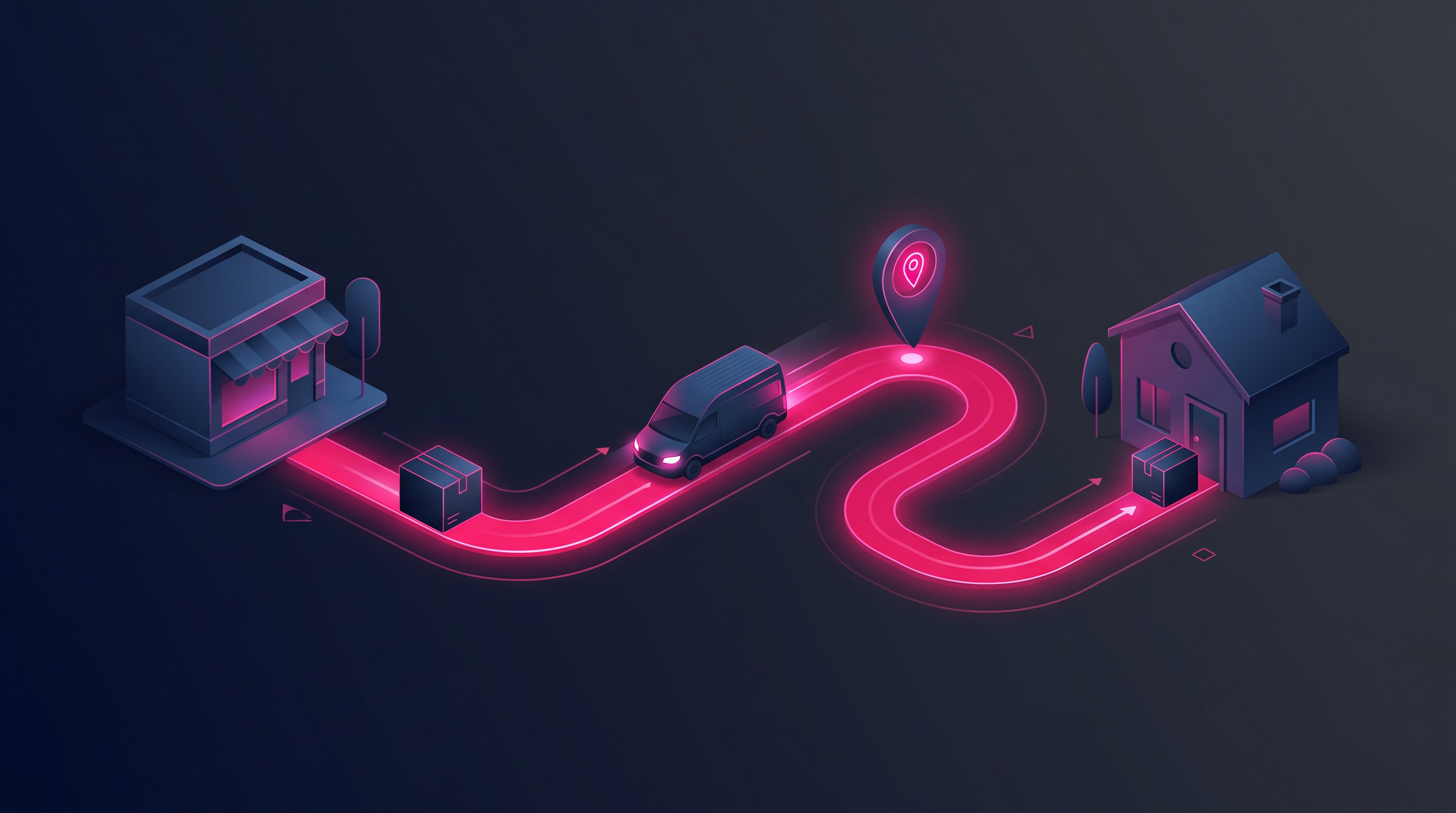
You can have the best products and a beautiful store, but if orders don’t reach customers reliably, your online business will struggle. Shipping is where many Pakistani stores quietly lose money and trust — through failed deliveries, slow couriers, and messy Cash on Delivery reconciliation. This guide explains how shipping and courier delivery actually work for online stores in Pakistan, and how to set it up so orders flow smoothly from checkout to doorstep.
Key takeaways
- Reliable delivery is as important to your business as the products themselves.
- Pakistan has several established couriers with Cash on Delivery support.
- Courier integration lets orders flow to delivery without manual copying.
- COD reconciliation — matching cash collected to orders — needs a clear process.
- Clear delivery timelines and tracking reduce anxious customer messages.
Why shipping makes or breaks an online store
Delivery is the moment your promise meets reality. A customer who orders online is trusting that the product will actually arrive, in good condition, roughly when expected. Get that right and they come back; get it wrong and no amount of marketing will win them a second time. In Pakistan, where online shopping trust is still being built, dependable delivery is one of the strongest competitive advantages a store can have.
Shipping also has a direct effect on profit. Failed deliveries, returns, and the cost of re-attempting drops all eat into margins. Building a sensible delivery setup from the start — the right couriers, clear timelines, and a tidy Cash on Delivery process — protects both your reputation and your bottom line.
The main courier options in Pakistan
Pakistan has a well-developed courier network, and most established companies serve online stores with nationwide coverage and Cash on Delivery collection. The right partner for you depends on your location, your typical parcel size, the areas you deliver to most, and the rates you can negotiate as your volume grows. Many stores use more than one courier — a primary partner plus a backup for areas the first doesn’t cover well.
When choosing, look beyond the headline rate. Delivery success rate, speed to remote areas, how quickly they hand over your COD cash, and the quality of their support all matter enormously in day-to-day operations. A slightly cheaper courier that loses parcels or pays you slowly is no bargain.
Integrate your store with your courier
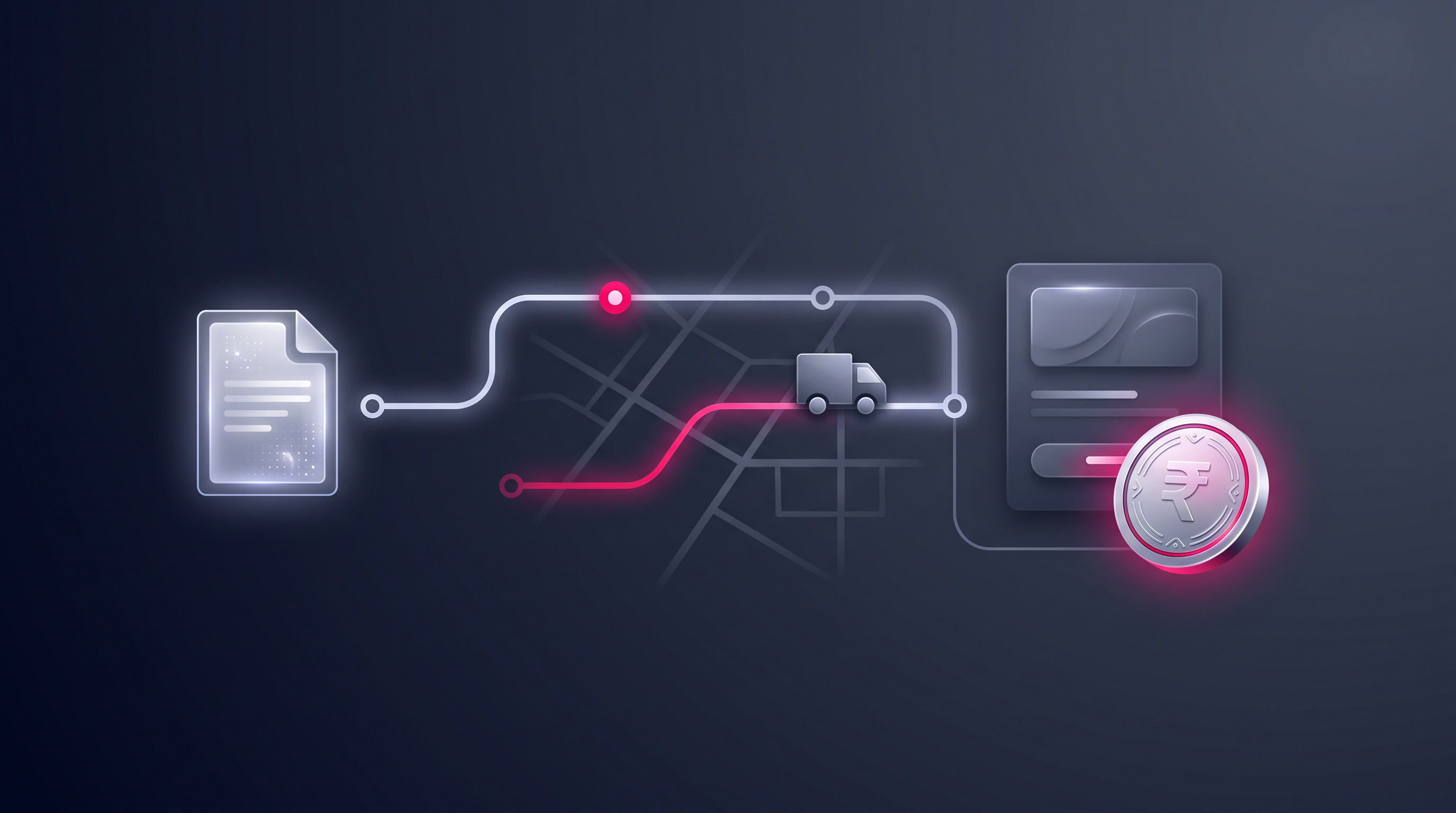
The difference between a smooth operation and a stressful one is often integration. When your store is connected to your courier, a new order can generate a shipping label and booking automatically, and tracking updates flow back without anyone re-typing details into a separate system. This saves hours, removes copy-paste errors, and lets you fulfil far more orders without adding staff.
Most major Pakistani couriers offer integration with popular store platforms, either directly or through plugins and apps. Setting this up properly at launch is a small investment that pays off every single day the store runs. It’s one of the things worth getting a developer to configure correctly rather than improvising later.
Handling Cash on Delivery reconciliation
Cash on Delivery is essential in Pakistan, but it introduces a step that trips up new sellers: reconciliation. When a courier collects cash for your orders, you need to match the money they eventually pay you against the orders they delivered, and catch any discrepancies. Without a clear process, it’s surprisingly easy to lose track of what you’re owed.
Keep it tidy from day one: record every dispatched order, note its COD amount, and check each courier payout against your records. Your store’s order management should make this straightforward. For more on making COD work in your favour, see our guide on reducing returns and fake orders with Cash on Delivery.
Set expectations up front: show realistic delivery timeframes at checkout and send a tracking link once dispatched. Most “where is my order?” messages come from silence, not slowness — a little communication removes a lot of anxiety and support work.
Reduce failed deliveries and returns
Failed deliveries are one of the biggest hidden costs in Pakistani e-commerce, especially with Cash on Delivery, where a customer can simply refuse the parcel. You can cut them down significantly with a few habits: confirm orders (a quick WhatsApp or call for higher-value items), capture accurate addresses and phone numbers at checkout, and keep customers informed so they’re expecting the delivery.
Over time, watch which areas, products, or price points generate the most failed deliveries, and adjust — perhaps requiring partial advance payment on high-value or high-risk orders. Small, data-driven tweaks here protect your margins without scaring off genuine buyers.
How to set your delivery charges
How you charge for delivery affects both your margins and your conversion rate, so it’s worth deciding deliberately rather than guessing. The common approaches are a flat rate per order (simple and predictable), free delivery above a certain order value (which nudges people to add more to reach the threshold), weight- or zone-based charges (fairer for heavy or far-flung orders), or building delivery into your product prices so the customer sees “free” shipping. Each has trade-offs between simplicity, fairness, and how it feels to the buyer.
For most Pakistani stores, a flat rate with a free-delivery threshold works well — it’s easy to understand and encourages larger orders. Whatever you choose, make the charge visible early rather than springing it at checkout, since an unexpected delivery cost is one of the biggest reasons shoppers abandon their carts. Review your delivery pricing every few months against what it’s actually costing you, and adjust so it covers your courier bills without scaring off buyers.
The bottom line
Shipping isn’t the glamorous part of running an online store, but it’s where trust is won or lost and where profit quietly leaks. Choose reliable couriers, integrate them with your store so orders flow automatically, keep a clean Cash on Delivery reconciliation process, and communicate clearly with customers. Get this right and delivery becomes a strength rather than a constant headache. If you’re setting up a store, our full guide to starting an online store in Pakistan covers the rest of the picture.
Want a store with courier integration built in?
We build online stores for Pakistani businesses with Cash on Delivery and courier integration set up from day one — so orders flow straight to delivery. Tell us what you sell and get a clear quote within 24 hours.
Frequently asked questions
Which courier is best for an online store in Pakistan?
There’s no single best courier — it depends on your location, parcel sizes, and delivery areas. Compare delivery success rates, speed to the areas you sell to most, how quickly they hand over your Cash on Delivery cash, and support quality. Many stores use a main courier plus a backup for wider coverage.
How does Cash on Delivery reconciliation work?
The courier collects cash from customers on your behalf and later pays it to you, usually in batches. Reconciliation means matching those payouts against the orders delivered, so you can confirm you’ve received everything you’re owed. A clear record of each dispatched order and its COD amount makes this simple.
How do I reduce failed deliveries?
Confirm higher-value orders with a quick call or WhatsApp, capture accurate addresses and phone numbers at checkout, and keep customers informed with tracking so they expect the delivery. For high-risk orders, consider requiring partial advance payment. Watching which areas and products fail most lets you adjust over time.
Can my store connect directly to a courier?
Yes. Most major Pakistani couriers integrate with popular store platforms, so a new order can automatically generate a booking and shipping label, with tracking flowing back to you. Setting this up at launch saves hours of manual work and prevents copy-paste errors as your order volume grows.
Related articles

Dropshipping in Pakistan: An Honest Guide
An honest look at dropshipping in Pakistan — how it works, the real challenges, and how to decide if it's right for…
How to Get Your First 100 Orders on a New Online Store
The hardest orders are the first 100. A practical Pakistan playbook to win them — your network, social media, ads, Cash on…
How to Reduce Cart Abandonment on Your Online Store
Most shoppers abandon their carts. Here's why Pakistani buyers drop off at checkout and exactly how to recover those lost sales.