Dropshipping in Pakistan: An Honest Guide
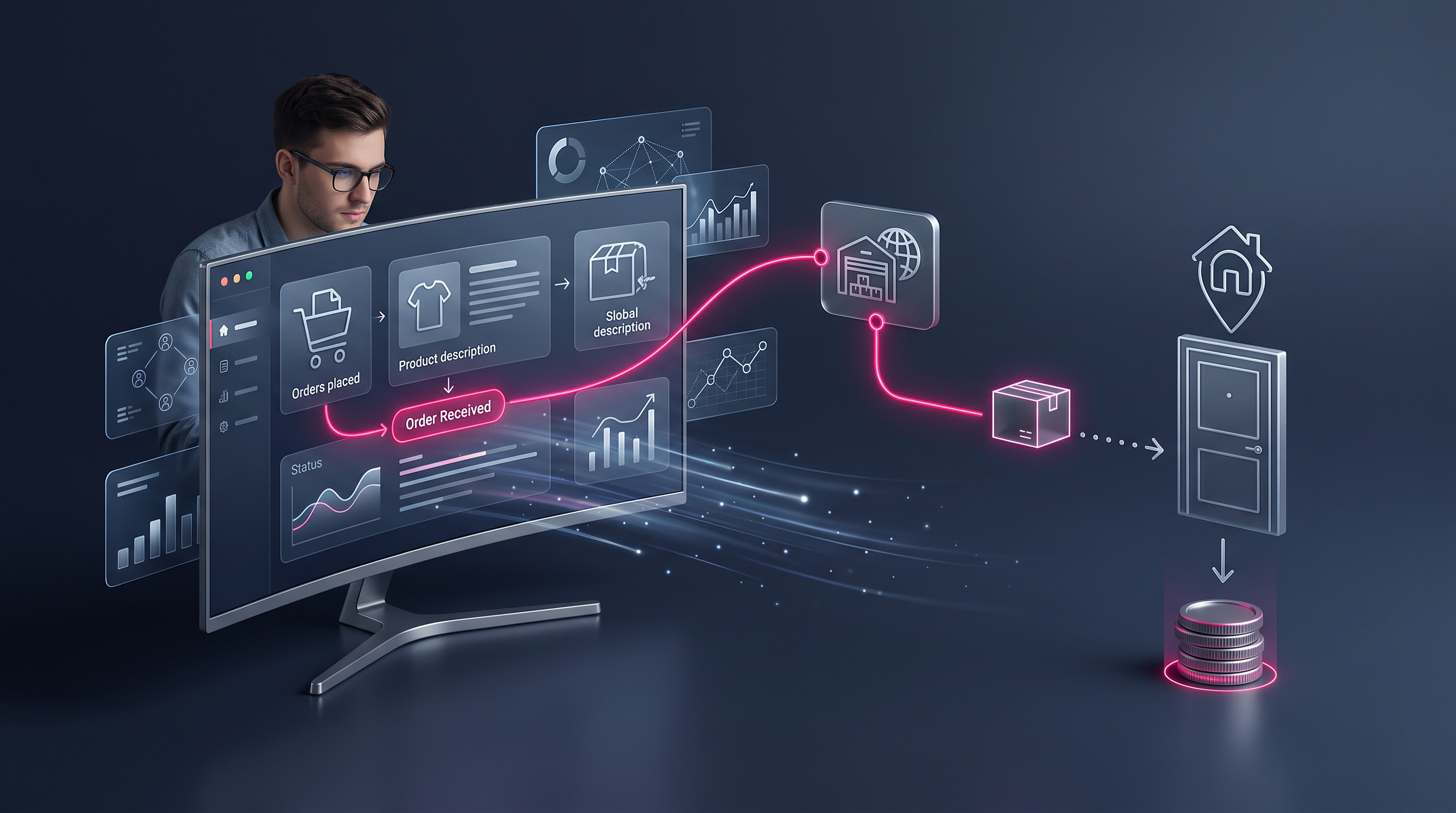
Dropshipping is one of the most talked-about ways to start an online business — a store where you never hold stock, and your supplier ships orders directly to customers. It sounds like the perfect low-risk start, and social media is full of success stories. But the reality in Pakistan is more nuanced. This honest guide explains how dropshipping actually works, whether it’s realistic here, the real challenges, and how to decide if it’s the right model for you.
Key takeaways
- Dropshipping means selling products a supplier ships directly, so you hold no stock.
- Its appeal is low upfront cost and no inventory risk — but it’s not “easy money”.
- You trade inventory risk for thin margins and less control over quality and delivery.
- Reliable suppliers and delivery are the make-or-break factor in Pakistan.
- It can work, but marketing skill and customer service matter more than the model.
How dropshipping actually works
In a dropshipping model, you run an online store and list products, but you don’t buy or store any stock yourself. When a customer places an order, you pass it to your supplier, who ships the product directly to the customer. Your profit is the difference between what the customer pays you and what you pay the supplier. Because you never hold inventory, you can start with far less money than a traditional store that has to buy stock upfront.
That’s the genuine appeal: low upfront cost and no risk of being stuck with unsold inventory. You can test products without committing to bulk purchases, and you can run the business from anywhere. This is why dropshipping is so heavily promoted as a beginner-friendly way to start. But the flip side of holding no stock is that you also hand over a lot of control — and that trade-off is where the real challenges begin.
The honest challenges
The first hard truth is that margins are thin. Because you’re buying single items from a supplier rather than in bulk, your cost per product is higher, and after advertising costs the profit on each sale can be slim. Dropshipping is a volume game — you need a lot of orders to make meaningful money, and that means you need to be genuinely good at marketing. The model doesn’t remove the hard work; it just moves it from managing stock to winning customers profitably.
The bigger challenge is control. Because your supplier handles the product and shipping, their quality and reliability become your reputation. If they send a poor-quality item or take too long to deliver, the customer blames you, not them. You’re responsible for the customer experience while depending on someone else to deliver it — and that’s a genuinely difficult position, especially when you can’t inspect what’s being sent.

Does dropshipping work in Pakistan?
Dropshipping can work in Pakistan, but the local realities shape how. The biggest factor is reliable suppliers and delivery. If you’re sourcing products locally, you need suppliers who consistently have stock, package well, and ship on time — because in Pakistan, where Cash on Delivery dominates, a late or poor delivery often means a rejected order and a loss for you. Delivery reliability isn’t a detail here; it’s the whole business.
Cash on Delivery adds a specific wrinkle to dropshipping in Pakistan: customers can refuse the parcel on arrival, leaving you to absorb the return shipping and any supplier cost. That makes order quality and customer trust even more important than in markets where people pay upfront. Sourcing from abroad, meanwhile, brings long delivery times and customs uncertainty that can frustrate customers. None of this makes dropshipping impossible — but it does mean the model needs careful handling to work here.
The real skill: dropshipping isn’t a shortcut around doing business well — it’s a business model where your success depends almost entirely on marketing and customer service, because you don’t control the product. If you’re strong at finding customers profitably and keeping them happy, it can work. If you’re hoping it means easy passive income, the reality will be a rude surprise.
Is dropshipping right for you?
Dropshipping suits a particular kind of person: someone who wants to start with minimal capital, is willing to learn marketing properly, and is comfortable testing products to find what sells. If you have more time and marketing appetite than money, and you’re realistic about the thin margins and the work involved, it can be a legitimate way to start an online business without risking your savings on stock.
It’s a poor fit if you’re expecting easy, hands-off income, or if you want full control over product quality and the customer experience. In that case, a traditional store where you source and hold your own stock — or sell your own products — gives you far more control and usually better margins, at the cost of more upfront investment. Neither model is “better”; they suit different situations. Our guide to starting an online store in Pakistan covers the alternatives if you decide dropshipping isn’t for you.
Whichever route you choose, you’ll need a professional store that builds trust and converts visitors — and that’s something we can build for you, dropshipping or not. A credible, well-designed store is what turns your marketing spend into actual orders, and it matters even more when customers are judging a brand they’ve never heard of.
How to give dropshipping its best chance
If you decide dropshipping is for you, a few things dramatically improve your odds. Vet your suppliers hard before you rely on them: order samples yourself so you know exactly what your customers will receive, and confirm they can actually deliver on time and consistently. Since their quality becomes your reputation, this due diligence is not optional. Choosing products with healthy enough margins to survive advertising costs is equally important — thin-margin items in crowded categories are where most dropshippers quietly lose money.
Just as important is treating the customer experience as yours, not your supplier’s. Respond quickly to questions, be honest about delivery times, handle problems gracefully, and keep buyers informed — because in a Cash on Delivery market, a customer who trusts you is far more likely to accept the parcel rather than refuse it. Combine careful supplier selection, sensible product choices, strong marketing, and genuinely good service, and dropshipping shifts from a gamble to a business with a real chance of working. Neglect any one of them and the model’s thin margins leave little room to recover.
The bottom line
Dropshipping is a real business model with genuine appeal — low upfront cost and no inventory risk — but it’s not the effortless money-maker it’s often sold as. You trade inventory risk for thin margins and reduced control, and in Pakistan the make-or-break factors are reliable suppliers, dependable delivery, and the realities of Cash on Delivery. It can work if you’re strong at marketing and customer service and realistic about the effort. Go in with clear eyes, and it’s a legitimate way to start; go in expecting easy money, and you’ll be disappointed.
Need a store that turns marketing into orders?
Whether you dropship or hold your own stock, we build professional online stores for Pakistani businesses that build trust and convert visitors into buyers. Tell us about your plan and get a clear quote within 24 hours.
Frequently asked questions
Is dropshipping profitable in Pakistan?
It can be, but margins are thin and success depends heavily on marketing skill and reliable delivery. Cash on Delivery adds risk, since customers can refuse parcels. It’s a volume business, not easy money — profitable for those who market well and manage suppliers and customer service carefully, and a struggle for those expecting passive income.
How much money do I need to start dropshipping?
Less than a traditional store, because you don’t buy stock upfront. Your main costs are your store, a domain, and — most importantly — advertising to find customers. Budget realistically for marketing, since that’s where dropshipping money actually goes. The low entry cost is real, but the advertising spend to make sales is not optional.
What’s the hardest part of dropshipping?
Control. Because your supplier handles the product and shipping, their quality and speed become your reputation, yet you can’t directly manage them. Combined with thin margins and, in Pakistan, Cash on Delivery refusals, this makes reliable suppliers and strong customer service the hardest and most important part of making the model work.
Is dropshipping better than holding my own stock?
Neither is better outright — they suit different situations. Dropshipping means lower upfront cost but thin margins and less control. Holding your own stock needs more investment but gives better margins and full control over quality and delivery. Choose based on your capital, your appetite for risk, and how much control you want.
How do I find reliable suppliers for dropshipping?
Vet suppliers hard before relying on them: order samples yourself so you know exactly what customers will receive, and confirm they can deliver on time and consistently. Their quality becomes your reputation, so this due diligence isn’t optional. Favour suppliers with a track record of reliability, and keep a backup option in case your main one lets you down.
Related articles
How to Get Your First 100 Orders on a New Online Store
The hardest orders are the first 100. A practical Pakistan playbook to win them — your network, social media, ads, Cash on…
How to Reduce Cart Abandonment on Your Online Store
Most shoppers abandon their carts. Here's why Pakistani buyers drop off at checkout and exactly how to recover those lost sales.
Shipping & Courier Guide for Online Stores in Pakistan
How shipping and courier delivery work for Pakistani online stores — choosing couriers, integration, Cash on Delivery reconciliation and cutting failed deliveries.