How Much Does an E-Commerce Website Cost in Pakistan?
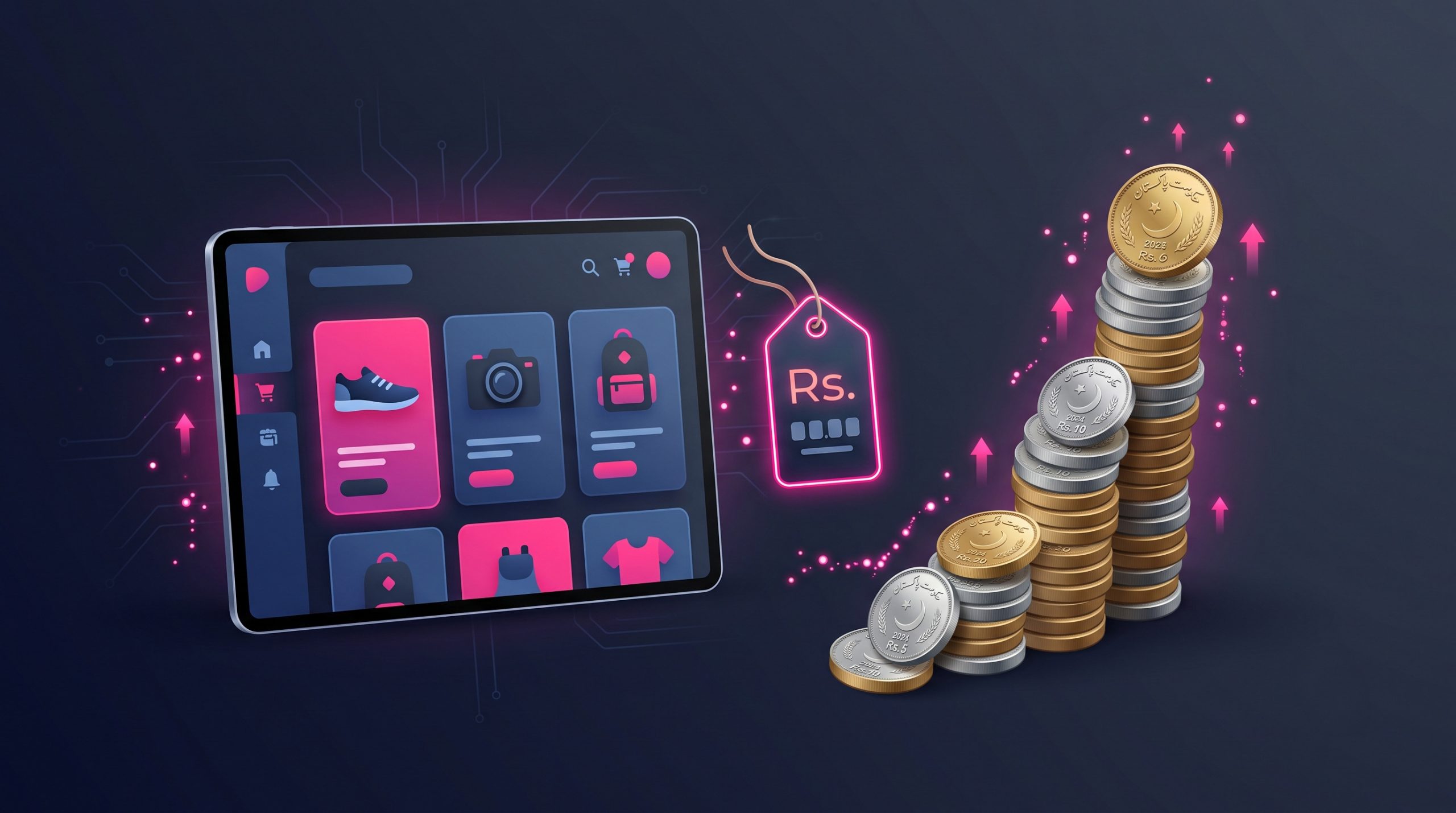
“How much will an online store cost me?” is usually the first question, and the hardest to get a straight answer to. Quotes in Pakistan range from a few thousand rupees to several lakhs for what sounds like the same thing, which leaves business owners confused and suspicious. This guide breaks down what an e-commerce website really costs in Pakistan, what drives the price up or down, and how to tell a fair quote from one that will cost you more later.
Key takeaways
- A professional online store in Pakistan typically starts from around Rs. 199,999.
- Product count, custom design, and integrations are the biggest cost drivers.
- Budget for ongoing costs too — hosting, domain, and maintenance.
- Very cheap stores usually cost more once you fix what’s missing.
- A good store pays for itself through orders it takes every day, without commission.
The short answer
For a professional, fully functional online store in Pakistan, expect to start from around Rs. 199,999. At SuperSITE that covers a complete build with unlimited products, Cash on Delivery and card payments, hosting, order management, and everything needed for the first year. Simpler brochure websites without a shop start much lower — from Rs. 49,999 for a five-page site or Rs. 69,999 for a ten-page WordPress site — but those aren’t stores.
Above that baseline, price climbs with complexity: large catalogues, custom design, unusual features, or connections to systems you already run. Below it, you’re generally trading away something that matters — proper payment setup, speed, mobile experience, or ownership of the result. The rest of this guide explains where those differences actually come from.
What actually drives the cost
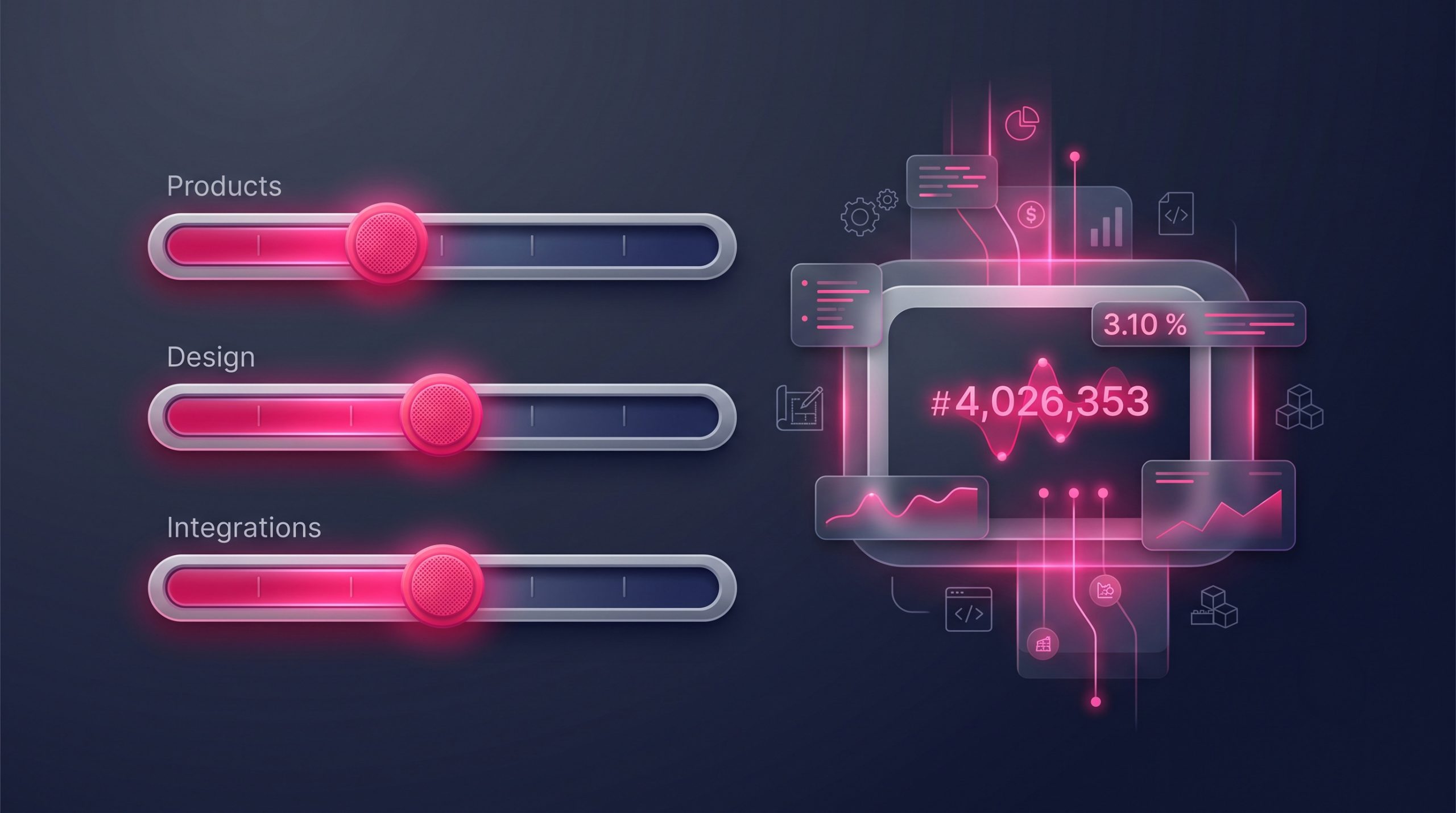
The first driver is the size of your catalogue. Twenty products is a very different job from two thousand. It isn’t just data entry — larger catalogues need proper category structures, filters, search, and variations for size and colour, all of which must stay fast as the store grows. If you have a big range, expect that to be reflected in the quote.
The second is design. A custom design built around your brand takes considerably more work than adapting a well-chosen template. Both can look good; the custom route simply costs more because more hours go into it. For many businesses a thoughtfully customised template is the sensible middle ground, with budget saved for photography and marketing instead.
The third is integrations and custom features. Connecting your store to a courier for automatic labels and tracking, syncing stock with an accounting or inventory system, or building unusual logic like subscriptions, bundles, or wholesale pricing all add development time. Each is worth paying for when it saves you daily manual work — but be clear about which ones you actually need at launch.
Platform choice and what it means for cost
Your platform affects both the build price and what you pay every month afterwards. WooCommerce runs on WordPress and has no platform fee — you own the store outright and pay only for hosting. Over several years that usually makes it the cheaper option, and it’s the most common choice for Pakistani stores.
Shopify charges a monthly subscription in exchange for handling hosting, security, and updates for you. The build cost is broadly similar, but you’re renting the platform rather than owning it. Neither is wrong — it’s a trade between lower running costs and less responsibility. Our WooCommerce vs Shopify comparison goes into the differences in detail.
What a professional store should include
Before comparing quotes, know what “a store” should actually contain. At minimum: a mobile-first design (most of your traffic will be phones), product pages with variations and stock control, a cart and a short checkout, Cash on Delivery plus bank transfer and card payments, delivery charge rules, an order management dashboard, and basic SEO setup so Google can find your products.
It should also include an SSL certificate so the padlock shows, a walkthrough so you can add products yourself, and full handover of the site in your name. If a quote doesn’t mention these, ask — the gap between quotes is usually explained by what’s quietly been left out.
Ask one question of every quote: “will the domain, hosting, and files be in my name, and will I receive full access at handover?” If the answer is anything other than a clear yes, the low price is buying you a dependency, not a website.
Ongoing costs to budget for
The build is a one-off, but a store has running costs. Hosting and domain renewal come annually and are modest. If you’re on Shopify, add the monthly subscription. Payment gateways take a small percentage of card transactions, and couriers charge per delivery plus a COD handling fee — both are costs of selling rather than of the website itself.
Then there’s maintenance. Software needs updating, backups need taking, and things occasionally break. A modest monthly maintenance plan is far cheaper than an emergency rebuild after a hack or a failed update. Budget for it from the start rather than discovering it later.
Why the cheapest quote usually costs more
You’ll find offers to build an online store for a fraction of the figures above, and occasionally they’re fine for a very small catalogue. More often they’re cheap because something important is missing: a bought template barely customised, no real payment setup, poor mobile performance, no SEO foundation, or hosting and domain registered in the developer’s name rather than yours.
The bill arrives later — in lost sales from a slow, clumsy store, in paying someone else to fix or rebuild it, or worst of all in discovering you can’t move your own website because you don’t control the domain. The genuinely expensive website is the one you have to build twice. Judge quotes on what’s included and who owns the result, not on the headline number.
How to get an accurate quote
Vague briefs produce vague quotes. To get a number you can rely on, tell whoever is quoting: roughly how many products you’ll list, whether they have variations like size and colour, which payment methods you need, whether you want courier integration, whether you have a logo and product photos ready, and anything unusual about how you sell.
Then insist on a written, fixed quote that lists exactly what’s included and what isn’t, plus a timeline. Anyone reluctant to put it in writing is telling you something useful. A clear scope up front protects both sides and prevents the awkward mid-project conversation about work that was assumed but never agreed.
Is it worth it?
Compare it with the alternatives. Selling only through a marketplace means commission on every single order, forever, and no ownership of the customer relationship. Selling only through Instagram DMs caps you at how many messages you can personally answer. Your own store takes orders around the clock, from anywhere in Pakistan, without paying anyone a percentage.
Seen that way, a store starting from Rs. 199,999 is a one-off investment that removes a permanent tax on your sales. For most businesses doing steady volume, a good month or two of online orders covers it — and everything after that is margin you keep. You can see transparent options on our pricing page.
The bottom line
A professional e-commerce website in Pakistan starts from around Rs. 199,999, with the final figure driven mainly by how many products you sell, how custom the design is, and what it needs to connect to. Add modest annual costs for hosting, domain, and maintenance, and you have the true picture.
When you compare quotes, look past the number. Ask what’s included, whether payments and mobile performance are properly handled, and — above all — whether you’ll own the domain, hosting, and files at the end. A store you own outright, built to actually sell, is one of the few business investments that keeps working every single day without asking for anything more.
Get a fixed quote for your online store
Tell us what you sell and we’ll send a clear, written quote within 24 hours — with everything included, nothing hidden, and full ownership handed to you.
Frequently asked questions
Can I get an online store for under Rs. 100,000?
Sometimes, for a very small catalogue on a lightly customised template. Be careful about what’s excluded — payment setup, mobile performance, SEO foundations, and ownership of the domain and hosting are the things most often missing at that price.
How long does it take to build an online store?
Typically four to six weeks from kickoff to launch, depending on catalogue size and how quickly you supply product photos and descriptions. Content delays are the most common reason projects run over.
Do I pay commission on my sales?
Not to us, and not to the platform if you use WooCommerce. You’ll pay a small percentage to your payment gateway on card transactions and a per-parcel fee to your courier, but unlike a marketplace, nobody takes a cut of every sale.
Can I start small and expand later?
Yes, and it’s often the smartest approach. Launch with a focused range and the essential features, then add products, categories, and integrations as you learn what sells. A properly built store grows without needing a rebuild.
Related articles

Dropshipping in Pakistan: An Honest Guide
An honest look at dropshipping in Pakistan — how it works, the real challenges, and how to decide if it's right for…
How to Get Your First 100 Orders on a New Online Store
The hardest orders are the first 100. A practical Pakistan playbook to win them — your network, social media, ads, Cash on…
How to Reduce Cart Abandonment on Your Online Store
Most shoppers abandon their carts. Here's why Pakistani buyers drop off at checkout and exactly how to recover those lost sales.