How Shopify Payments Work in Pakistan

Payments are where a lot of Shopify questions get confusing in Pakistan. Shopify’s own built-in payment system, Shopify Payments, isn’t fully available here — so how do your customers actually pay you? The answer is a combination of a local payment gateway and Cash on Delivery, and getting it right is essential, because the checkout is where sales are won or lost. This guide explains how payments work on Shopify in Pakistan, in plain language, so you can set your store up to take money smoothly.
Key takeaways
- Shopify Payments isn’t fully available in Pakistan, so you use a local gateway instead.
- Cash on Delivery is essential — a large share of Pakistani buyers prefer it.
- The best setup usually combines a card gateway with Cash on Delivery.
- Offering the payment methods customers trust directly lifts your sales.
- Test the full checkout, including COD, on a phone before you launch.
Why Shopify payments work differently in Pakistan
Shopify has its own integrated payment system called Shopify Payments, which in some countries lets stores accept cards directly with no extra setup. The catch for Pakistani businesses is that Shopify Payments isn’t fully available here. That’s not a dead end — it simply means you use a third-party payment gateway instead, which is exactly what stores in many countries do. Once you understand this, the rest of the picture becomes much clearer.
So the practical setup for a Pakistani Shopify store rests on two pillars: a local payment gateway that lets customers pay by card, and Cash on Delivery for the many buyers who prefer to pay when their order arrives. Together, these cover how Pakistani customers actually want to pay. Understanding that you’re combining these two methods — rather than relying on Shopify’s own system — is the key to setting payments up correctly.
Accepting card payments with a gateway
To let customers pay by debit or credit card on your Shopify store, you connect a payment gateway — a service that securely processes card payments and passes the money to you. Shopify supports third-party gateways, so you choose one that operates in Pakistan and connect it to your store. Once it’s set up, customers can check out and pay by card directly on your site, which is convenient for them and gets you paid immediately rather than on delivery.
Gateways typically charge a small fee per transaction, which is a normal cost of accepting card payments anywhere. When choosing one, look for reliability, reasonable fees, and a smooth checkout experience, since a clunky or failing payment step will cost you sales. Our guide on accepting online payments in Pakistan covers the wider landscape of options and how to think about them.
Cash on Delivery: still essential
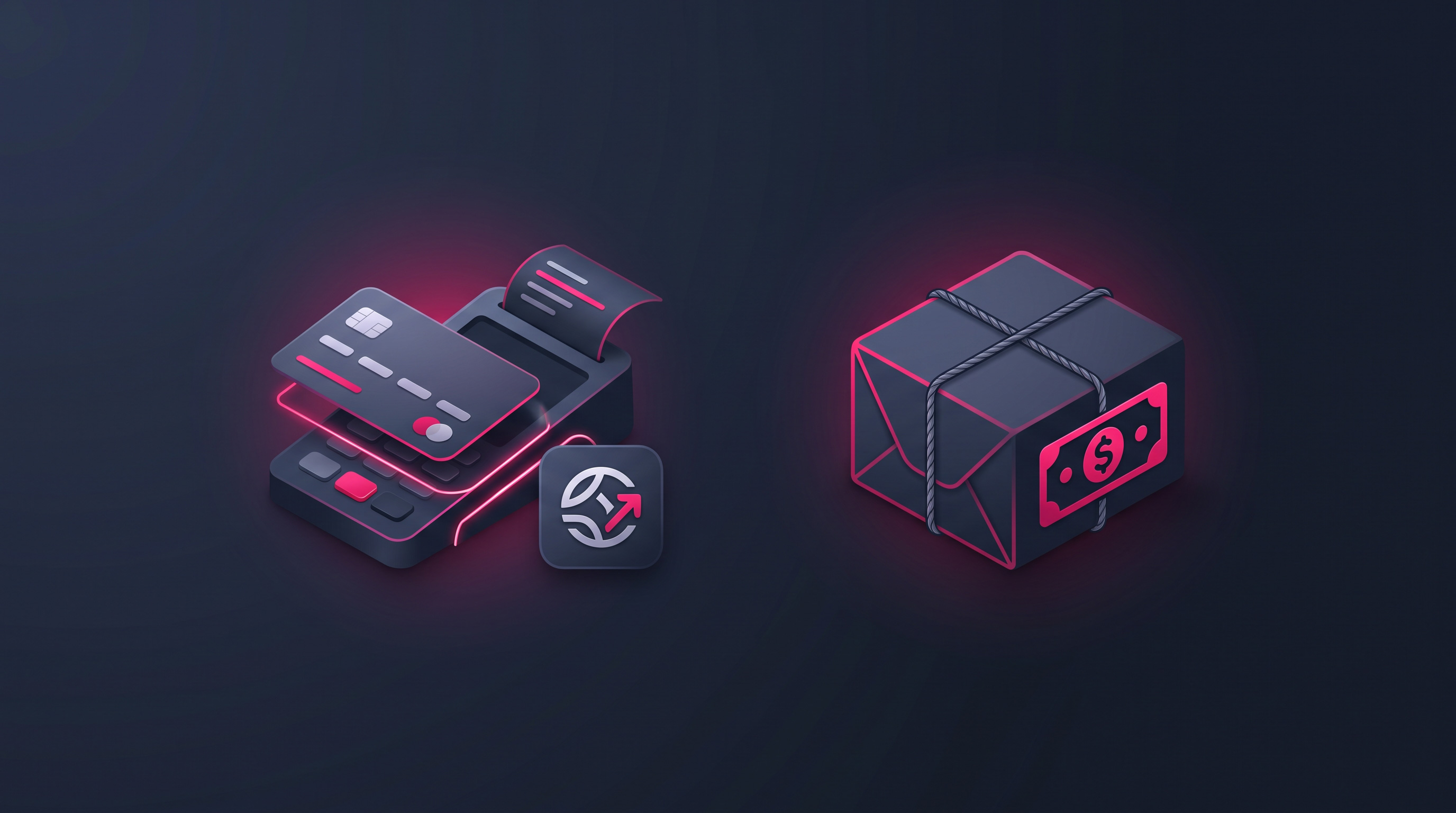
No matter how good your card payments are, Cash on Delivery remains essential in Pakistan. A large share of customers — especially those buying from a store for the first time — still prefer to pay cash when the parcel arrives, because it feels safer than paying upfront to a brand they don’t yet know. Offering COD removes the single biggest barrier to that first purchase, and leaving it out means turning away a big portion of your potential buyers.
On Shopify, Cash on Delivery is enabled as a payment option, usually managed with a supporting app that helps you handle COD orders cleanly — verifying phone numbers and reducing fake or bounced orders. Setting COD up properly from launch, alongside your card gateway, gives customers the choice they expect. Our guide to Cash on Delivery in Pakistan goes deeper into managing it well and keeping return rates down.
Offer the choice: the winning setup for most Pakistani stores is both — card payments for customers who want the convenience, and Cash on Delivery for those who want the reassurance. Forcing everyone down a single payment path quietly loses you sales. Let each customer pay the way they trust, and more of them will complete the purchase.
Getting your checkout right
Once your payment methods are connected, the checkout itself needs to be smooth, because a confusing or broken payment step is one of the top reasons people abandon their carts. Make sure the payment options are clearly presented, that choosing Cash on Delivery is obvious, and that the whole process feels trustworthy and simple. Every extra bit of friction or doubt at this final stage is a sale slipping away just as the customer was ready to buy.
Before you launch, place a real test order on your own phone — add to cart, check out, try both paying by card and choosing Cash on Delivery, and confirm the order goes through and you receive the notification. Most of your customers are on phones, so the mobile checkout experience is what really counts. That short test catches problems that would otherwise cost you real orders, and it’s the simplest, highest-value check you can do before going live.
If configuring gateways, COD apps, and a smooth checkout sounds like more than you want to handle, that’s exactly what we set up when we build a store. We make sure Pakistani customers can pay the way they trust, with a checkout that works — so you don’t lose sales to payment friction. It’s one of the most important parts of a store, and one worth getting right from day one.
Reducing failed and refused orders
Two payment-related problems eat into Pakistani stores’ profits: failed card payments and refused Cash on Delivery orders. On the card side, a reliable gateway and a clean, reassuring checkout reduce failures — customers abandon when a payment step looks untrustworthy or errors out, so a smooth, professional checkout directly protects your revenue. Displaying trust signals, keeping the process short, and making sure it works flawlessly on mobile all help more card payments go through successfully.
Refused COD orders are the bigger drain for many stores, because you absorb the return shipping when a customer changes their mind or was never serious. A good COD management app that verifies phone numbers and filters out suspicious orders helps, as does confirming larger orders before dispatch and keeping customers informed about delivery so they’re expecting the parcel. Every refused order you prevent is money kept, so treating COD quality as a priority — not an afterthought — is one of the most practical ways to protect your margins.
The bottom line
Payments on Shopify in Pakistan work differently from countries where Shopify Payments is available, but the setup is straightforward once you understand it: connect a local payment gateway for card payments, and enable Cash on Delivery for the many buyers who prefer it. Offer both so every customer can pay the way they trust, make the checkout smooth and clear, and test the full journey on a phone before launch. Get payments right and you remove the last barrier between an interested visitor and a completed sale.
Want payments set up properly on your store?
We build Shopify stores for Pakistani businesses with payments done right — a local card gateway plus Cash on Delivery, and a smooth checkout that converts. Tell us what you sell and get a clear quote within 24 hours.
Frequently asked questions
Can I use Shopify Payments in Pakistan?
Shopify Payments isn’t fully available in Pakistan, so you use a third-party payment gateway instead — which is exactly what stores in many countries do. You connect a local gateway to accept card payments, and add Cash on Delivery for buyers who prefer it. It’s a normal, well-established setup, not a limitation to worry about.
How do customers pay on a Pakistani Shopify store?
Usually one of two ways: by card through a connected payment gateway, or by Cash on Delivery when their order arrives. The best setup offers both, so customers can choose the method they trust. Card payments get you paid immediately; Cash on Delivery reassures first-time buyers who aren’t ready to pay upfront.
Can I accept Cash on Delivery on Shopify?
Yes. Cash on Delivery can be enabled as a payment option on Shopify, usually managed with a supporting app that handles COD orders cleanly. It’s essential for the Pakistani market, where many buyers prefer paying on arrival, so make sure it’s set up properly from launch alongside your card gateway.
Are there fees for accepting payments on Shopify?
Yes — payment gateways charge a small fee per card transaction, which is normal anywhere. Shopify may also apply a transaction fee when you use a third-party gateway rather than Shopify Payments. These fees are usually modest; factor them into your pricing and choose a reliable gateway with reasonable rates and a smooth checkout.
How can I reduce refused Cash on Delivery orders?
Use a COD management app that verifies phone numbers and filters suspicious orders, confirm larger orders before dispatch, and keep customers informed about delivery so they’re expecting the parcel. Building trust with a professional store and good service also makes buyers far more likely to accept the order. Every refused order you prevent is money kept, so it’s worth prioritising.
Related articles

How to Migrate to Shopify in Pakistan (Without Losing Rankings)
How to move an existing store to Shopify safely — keeping your data, customers, and search rankings intact.

How to Choose a Shopify Theme for Your Pakistani Store
How to choose a Shopify theme the right way — speed, mobile experience, and clarity that converts, not just good looks.
How to Sell Internationally from Pakistan with Shopify
How to sell to the diaspora and global customers from Pakistan using Shopify — currencies, shipping, and reaching buyers abroad.