How to Sell Internationally from Pakistan with Shopify
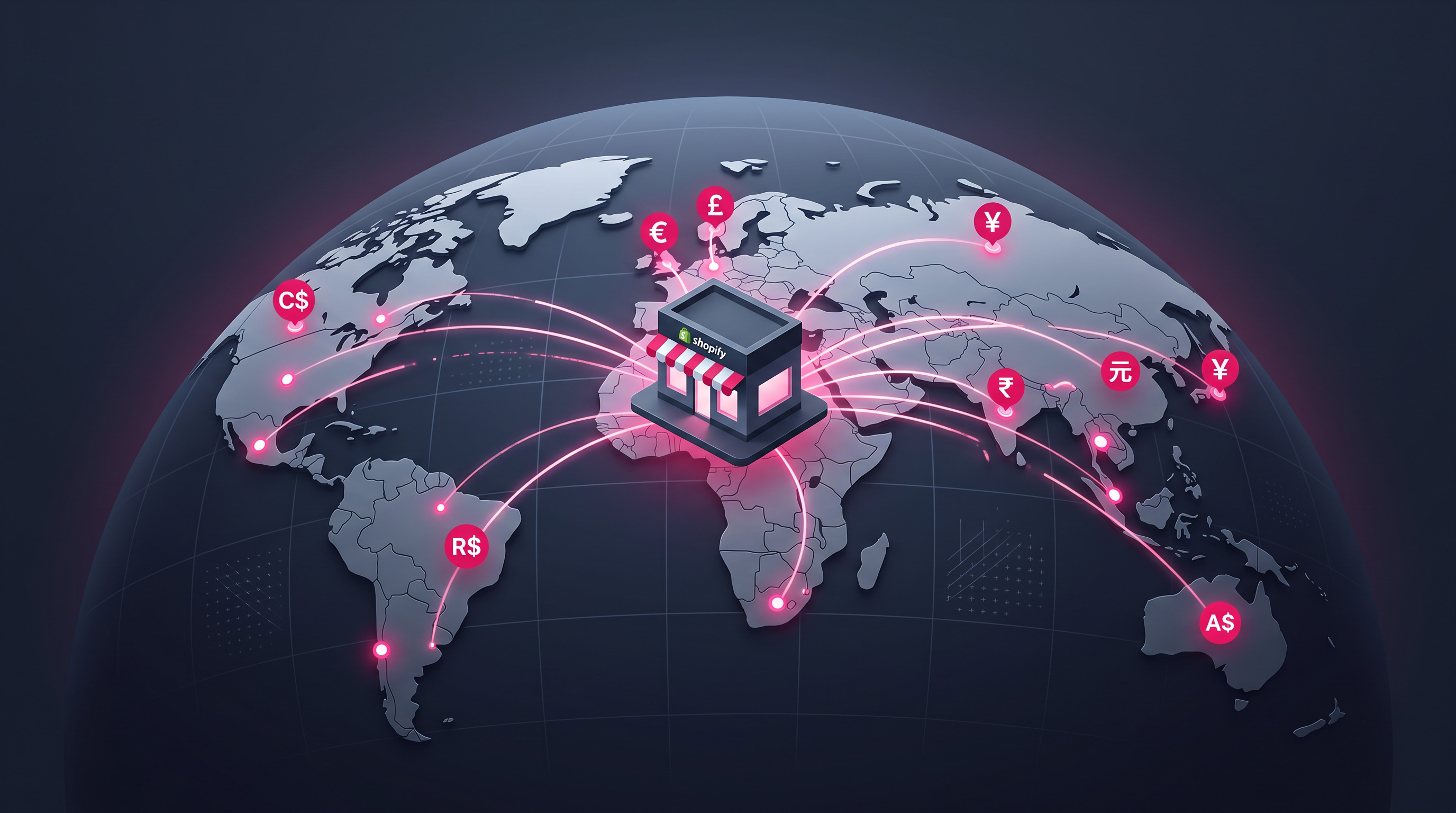
Selling only within Pakistan means competing for a slice of one market. Selling internationally — to the Pakistani diaspora and to global customers — opens up buyers who often pay in stronger currencies and value the products Pakistan does well. Shopify is built for exactly this, which is one of its biggest advantages. This guide explains how to sell internationally from Pakistan with Shopify: what to set up, how to handle currencies and shipping, and how to reach customers abroad without getting overwhelmed.
Key takeaways
- Shopify is built for multi-currency, cross-border selling — a natural fit for global stores.
- The Pakistani diaspora is often the easiest and warmest first international market.
- Currency display, international shipping, and clear delivery times are the core setup.
- Start with one or two target countries rather than trying to sell everywhere.
- Selling abroad can mean earning in stronger currencies on the same products.
Why sell internationally from Pakistan
The case for selling abroad is straightforward: it multiplies your potential customers and often improves your margins. When you sell to buyers in countries with stronger currencies, the same product can earn you considerably more in rupee terms. Pakistan is well known for categories like clothing, textiles, leather, handicrafts, and other quality goods, and there’s real appetite for these overseas — both among the large Pakistani diaspora and among international shoppers generally.
The diaspora is usually the smartest place to begin. Pakistanis living in the UK, the Gulf, North America, and elsewhere actively seek out familiar brands and products from home, and they already understand what you’re selling. That makes them a warm, receptive first international audience — far easier to win than cold customers in a market with no connection to your products. Land that group first, learn how cross-border selling works, then widen your reach from there.
Setting up Shopify for global selling
Shopify’s international tooling is one of the main reasons businesses with global ambitions choose it. The platform is designed for multi-currency selling, so international shoppers can see prices in their own currency, which reduces confusion and builds confidence at checkout. Setting this up so that a customer in London or Dubai sees familiar pricing — rather than doing mental conversions from rupees — removes a real barrier to the sale.
Beyond currency, you’ll configure international shipping zones and rates so that customers in your target countries see accurate delivery costs and realistic timeframes at checkout. Clear, upfront shipping information matters even more internationally than it does locally, because a surprise cost or a vague delivery estimate on a cross-border order is an instant deal-breaker. Get these foundations right and your store is genuinely ready to take orders from abroad.
Handling international shipping and delivery
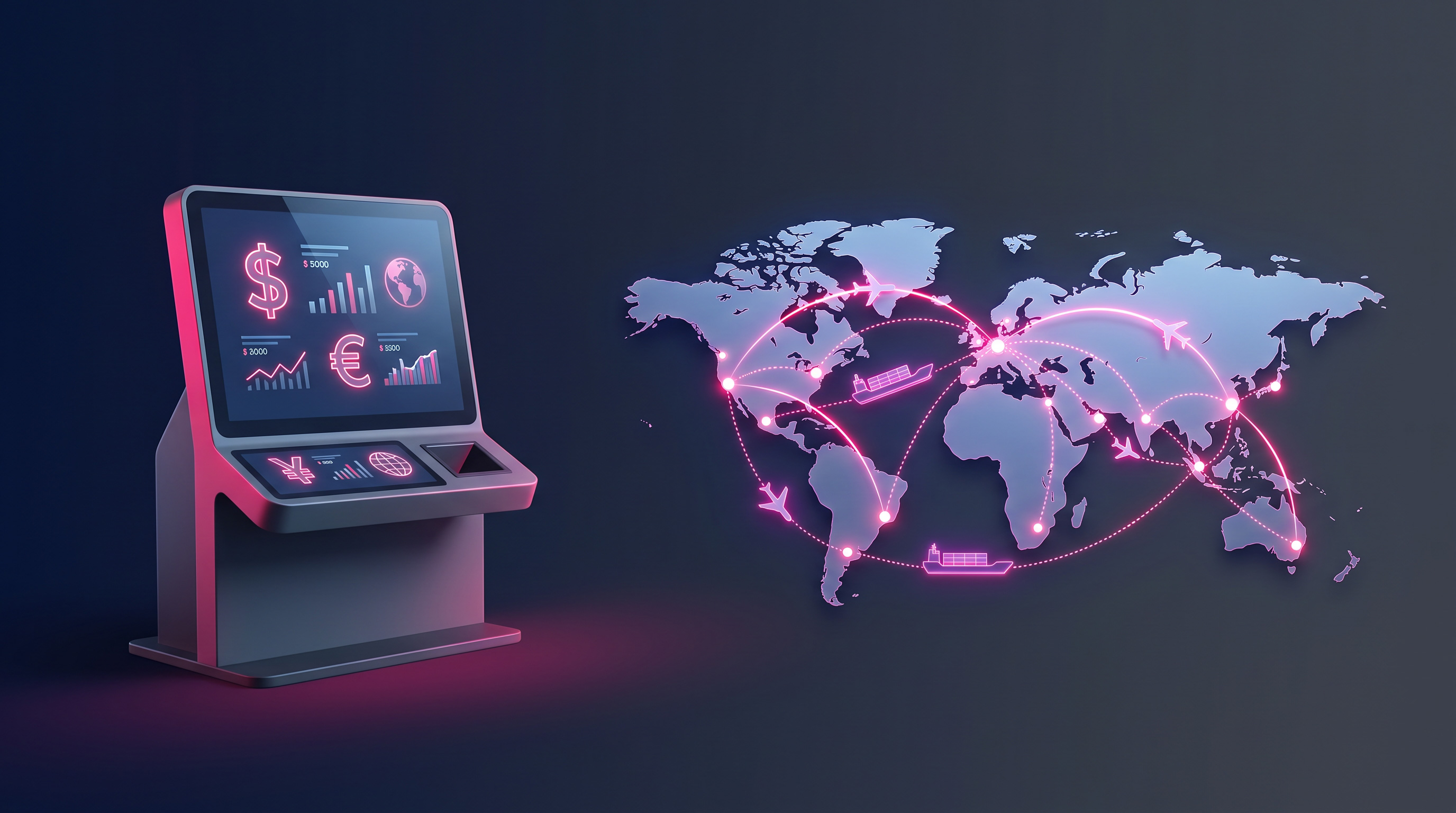
International logistics is the part that intimidates most sellers, but it’s very manageable once you approach it deliberately. Decide which countries you’ll ship to — starting narrow is wise — and work with a courier or international shipping service that reliably reaches those markets. Set your shipping rates so they’re accurate rather than guessed, since undercharging on cross-border delivery can quietly wipe out your profit, while overcharging scares buyers off.
Be clear and honest about delivery times and any customs or duties customers might face. International orders take longer and sometimes involve import charges, and springing that on a customer after they’ve paid is a fast route to complaints and chargebacks. Setting expectations plainly at checkout builds the trust that turns a first-time international buyer into a repeat one. Reliable, well-communicated delivery is your strongest asset when selling to people who can’t walk into your shop.
Start focused: resist the urge to “sell everywhere” on day one. Pick one or two target markets — often the diaspora in a country like the UK or UAE — and get shipping, pricing, and marketing right there first. It’s far better to serve a couple of markets well than to spread yourself thin across a dozen and serve none of them properly.
Reaching customers abroad
A store ready for international orders still needs international customers to find it. The good news is that the channels are the same ones you’d use at home — social media, search, and targeted advertising — just aimed at your chosen markets. Social platforms let you target ads by country and interest, which makes reaching, say, the Pakistani community in a particular city very achievable. Content that speaks to what your overseas audience is looking for helps you show up when they search.
Trust-building matters even more across borders. Clear product photos, honest descriptions, visible customer reviews, and transparent shipping and returns information all reassure a buyer who is purchasing from another country and can’t inspect the goods first. Every element that makes your store feel professional and credible does double duty internationally. Once you’ve proven the model in one market, you can repeat the same playbook to expand into the next.
If setting all this up sounds like more than you want to take on, that’s exactly the kind of thing we handle. We build Shopify stores configured for international selling — multi-currency, shipping zones, and the trust elements that convert overseas buyers — so you can focus on the products. Our guide on whether Shopify is worth it covers why it’s such a strong fit for global-minded stores.
Getting paid on international orders
One question that stops many Pakistani sellers before they start is how they’ll actually receive money from customers abroad. It’s a fair concern, but it’s a solved problem: Shopify works with payment gateways that can accept international card payments, so overseas customers can pay by card at checkout and the funds reach you. Because your international buyers — particularly the diaspora — are usually comfortable paying online, you rely far less on Cash on Delivery for these orders than you do at home.
The practical steps are to make sure your chosen gateway supports the currencies and cards your target customers use, and to be transparent about pricing so there are no surprises at checkout. Once payments are flowing, keep an eye on which markets convert best and reinvest there. Getting paid smoothly is simply another part of the setup rather than a barrier — and with it in place, the path from an international visitor to money in your account is as clean as it is for a local sale.
The bottom line
Selling internationally from Pakistan with Shopify is a genuine growth opportunity: it widens your market and can mean earning in stronger currencies on the same products. Set up multi-currency pricing, sensible international shipping zones, and clear delivery information; start with the diaspora or one or two focused markets; and build the trust that reassures buyers purchasing from abroad. Done step by step, going global is far more achievable than it first appears — and Shopify is built to make it work.
Want a Shopify store ready to sell worldwide?
We build Shopify stores for Pakistani businesses set up for international selling — multi-currency, global shipping, and a checkout overseas buyers trust. Tell us which markets you’re targeting and get a clear quote within 24 hours.
Frequently asked questions
Can I sell internationally from Pakistan with Shopify?
Yes — Shopify is one of the best platforms for it, built for multi-currency and cross-border selling. You set up currency display, international shipping zones, and clear delivery information, then market to your chosen countries. Many Pakistani businesses start with the diaspora abroad, who are a warm and receptive first international audience.
How do I handle currencies for international customers?
Shopify supports multi-currency selling, so international shoppers can see prices in their own currency rather than converting from rupees. This reduces confusion and builds confidence at checkout. Setting this up is part of configuring your store for global selling, and it makes a real difference to how many overseas visitors actually buy.
Which countries should I sell to first?
Start focused rather than trying to sell everywhere. The Pakistani diaspora in countries like the UK, the UAE, or North America is usually the easiest first market, since they already know and want your products. Master one or two markets — getting shipping, pricing, and marketing right — before expanding to more.
Is international shipping from Pakistan complicated?
It’s very manageable if you approach it deliberately. Choose which countries you’ll ship to, work with a reliable international courier, set accurate shipping rates, and be clear about delivery times and any customs charges. Starting with a small number of countries keeps logistics simple while you learn how cross-border selling works.
How do I get paid by international customers?
Shopify works with payment gateways that accept international card payments, so overseas customers pay by card at checkout and the funds reach you. International buyers — especially the diaspora — are generally comfortable paying online, so you rely far less on Cash on Delivery than for local orders. Just confirm your gateway supports the currencies and cards your target customers use.
Should I show prices in the customer’s own currency?
Yes. Shopify supports multi-currency selling, and letting international shoppers see prices in their own currency rather than converting from rupees removes friction and builds confidence at checkout. It’s a small setup step that makes a real difference to how many overseas visitors actually complete a purchase, so it’s well worth configuring when you set up for global selling.
Related articles

How Shopify Payments Work in Pakistan
How customers actually pay you on a Pakistani Shopify store — local gateways, Cash on Delivery, and getting your checkout right.

How to Migrate to Shopify in Pakistan (Without Losing Rankings)
How to move an existing store to Shopify safely — keeping your data, customers, and search rankings intact.

How to Choose a Shopify Theme for Your Pakistani Store
How to choose a Shopify theme the right way — speed, mobile experience, and clarity that converts, not just good looks.