How to Choose a Shopify Theme for Your Pakistani Store
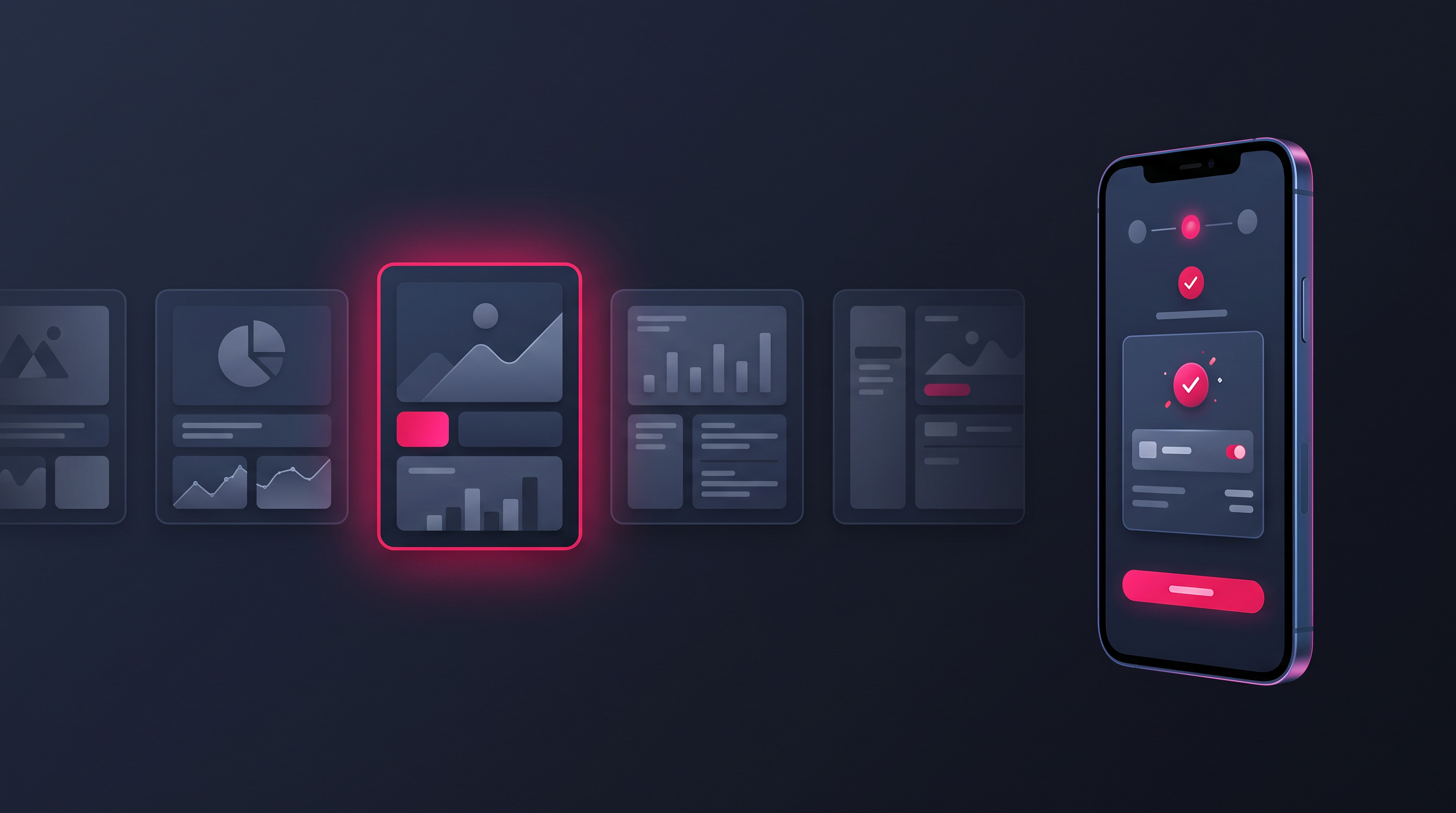
Your Shopify theme is the first thing customers judge your store on — and the wrong choice can quietly cost you sales for years. With so many free and paid themes available, it’s easy to pick based on looks alone and regret it later. This guide shows you how to choose a Shopify theme for your Pakistani store the right way: what actually matters, what to ignore, and how to end up with a store that looks professional, loads fast, and converts visitors into buyers.
Key takeaways
- Choose a theme for speed and mobile experience, not just how pretty it looks.
- Most Pakistani shoppers browse on phones — mobile-first is non-negotiable.
- A clean, simple theme usually converts better than a busy, feature-heavy one.
- Free themes are fine to start; paid themes add polish and features, not magic.
- Match the theme to your product type and how many products you sell.
Looks matter — but they’re not what sells
It’s tempting to choose a theme purely on how striking it looks in the preview, but that’s how people end up with beautiful stores that don’t sell. A theme’s real job is to guide visitors smoothly from landing to checkout — and a gorgeous design that’s slow, cluttered, or confusing does the opposite. The best-looking store isn’t the one with the most animations and sliders; it’s the one where customers can find products and buy them without a second thought.
This connects directly to usability: a good store doesn’t make people think. When the navigation is obvious, the product pages are clear, and the path to purchase is frictionless, visitors stay and buy. So while looks do matter for that crucial first impression of professionalism and trust, judge a theme by how well it does its job, not just by how it photographs. Clean and clear beats flashy and confusing every time.
Speed and mobile are non-negotiable
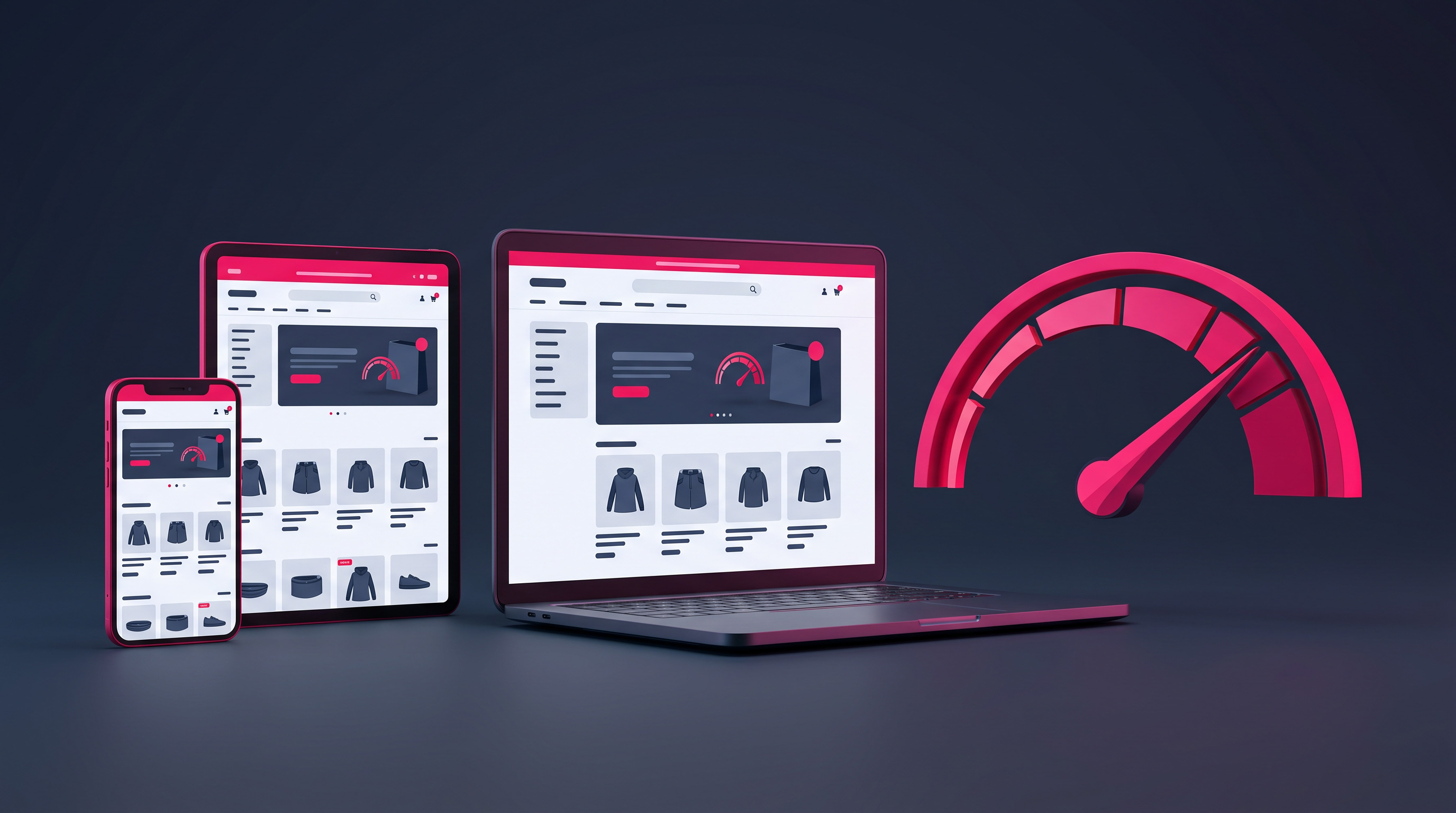
Two factors matter more than almost anything else: how fast the theme loads and how well it works on a phone. Speed is money — shoppers abandon slow stores, and a heavy, over-designed theme with dozens of effects can drag your loading time down and take your conversions with it. When comparing themes, favour ones known to be lightweight and fast over ones stuffed with features you’ll never use.
Mobile is equally critical, because the large majority of Pakistani shoppers browse and buy on their phones. A theme that looks fine on a desktop but is fiddly on mobile is actively losing you sales from most of your audience. Always check how a theme behaves on a phone — the menus, the product pages, the checkout — before committing. If the mobile experience isn’t excellent, no amount of desktop beauty will save it.
Free vs paid themes
Shopify offers both free and paid themes, and the honest truth is that a free theme is perfectly capable of running a professional, high-converting store — especially when you’re starting out. The free themes are well-built, fast, and mobile-friendly, and with your branding, good photos, and clear content, they look genuinely professional. There’s no need to spend on a paid theme just to be taken seriously.
Paid themes earn their price with extra design options, more built-in features, and layouts tailored to particular kinds of stores. They can save time and add polish, but they don’t work magic — a paid theme won’t rescue poor photos, weak product descriptions, or a confusing structure. A sensible approach is to launch on a strong free theme, prove your store sells, and upgrade to a paid theme or a custom design later, funded by your profits, when you have a clear reason to.
The test that matters: before committing to any theme, view its demo on your own phone and pretend to buy something. Can you find a product, understand it, add it to the cart, and reach checkout quickly and without confusion? If that journey is smooth on a phone, the theme will serve you well. If it’s fiddly, keep looking — no design detail is worth a clumsy checkout.
Match the theme to your store
The right theme also depends on what and how much you sell. A store with just a few hero products wants a theme that lets each one shine with large imagery and room to tell its story. A store with hundreds of products needs a theme built for easy browsing — strong navigation, filters, and collections that help shoppers find what they want quickly. Choosing a theme designed for your kind of catalogue makes everything downstream easier.
Think about your product type too. Fashion and lifestyle brands lean on big, beautiful imagery; electronics or hardware stores need space for specifications and comparisons; handmade or artisan goods benefit from a theme that conveys craft and story. Pick a theme whose default layout already suits your products, and you’ll spend far less time fighting against it. The less you have to bend a theme to your needs, the better it was chosen.
If weighing all this feels like a lot, that’s understandable — theme choice, speed, mobile, and customisation are exactly the decisions we handle when we build a store. We pick and customise the right theme for your products and your customers, so your store looks the part and sells from day one. Our guide on setting up a Shopify store walks through where theme choice fits in the wider process.
Common theme mistakes to avoid
A few predictable mistakes trip up store owners choosing a theme. The first is picking purely on the demo’s beautiful photography — remember that the stunning images in a theme preview are professional shots, and your store will only look that good if your own photos match. The second is over-customising: piling on sliders, pop-ups, animations, and widgets until a clean theme becomes slow and cluttered. Restraint almost always converts better than decoration.
The third common mistake is ignoring the mobile view until after launch, then discovering the experience most of your customers get is clumsy. Always design and check with mobile first. And finally, don’t treat your theme choice as permanent and agonise over it for weeks — you can change themes later as you grow. Avoid these traps and you sidestep the problems that quietly cost other stores sales. A little discipline at the theme stage saves a great deal of frustration and lost revenue down the line.
The bottom line
Choosing a Shopify theme well means looking past the pretty preview to what actually drives sales: fast loading, an excellent mobile experience, clean and clear design, and a layout that suits your products. A well-built free theme is more than enough to start; paid and custom themes add polish once you have a reason to invest. Get the theme right and you give every other part of your store — your photos, your offers, your marketing — the best possible chance to convert.
Want the right theme chosen and set up for you?
We build Shopify stores for Pakistani businesses — picking and customising a fast, mobile-first theme that fits your products and converts visitors into buyers. Tell us what you sell and get a clear quote within 24 hours.
Frequently asked questions
Are free Shopify themes good enough for a real store?
Yes. Shopify’s free themes are well-built, fast, and mobile-friendly, and with your branding, good photos, and clear content they look genuinely professional. Many successful stores run on free themes. Start with one, prove your store sells, and only upgrade to a paid or custom theme later if you have a clear reason.
What’s the most important thing in a Shopify theme?
Speed and mobile experience. Most Pakistani shoppers buy on phones, and slow stores lose sales, so a fast, mobile-first theme matters more than any visual flourish. After that, clarity — a clean layout that makes finding and buying products effortless — beats a busy, feature-heavy design every time.
Should I pick a theme based on my product type?
Yes. A store with a few hero products wants a theme that showcases each one, while a store with hundreds needs strong navigation and filters for easy browsing. Fashion leans on big imagery; electronics need room for specs. Choosing a theme whose default layout already suits your products saves a lot of effort.
Can I change my Shopify theme later?
Yes, you can switch themes at any time, though you’ll need to reapply some customisation and check everything looks right afterwards. Many stores start on a free theme and move to a paid or custom one as they grow. It’s better to launch and sell than to delay for the “perfect” theme upfront.
Do I need a custom theme, or is a ready-made one fine?
For most stores, a well-chosen ready-made theme, customised with your branding, is perfectly capable of looking professional and converting well. A fully custom theme is worth it mainly for established brands wanting a distinctive, bespoke experience or unusual functionality. Start with a strong existing theme, prove your store sells, and invest in custom design later if you have a clear reason.
Related articles

How Shopify Payments Work in Pakistan
How customers actually pay you on a Pakistani Shopify store — local gateways, Cash on Delivery, and getting your checkout right.
How to Migrate to Shopify in Pakistan (Without Losing Rankings)
How to move an existing store to Shopify safely — keeping your data, customers, and search rankings intact.

How to Sell Internationally from Pakistan with Shopify
How to sell to the diaspora and global customers from Pakistan using Shopify — currencies, shipping, and reaching buyers abroad.