Is Shopify Worth It in Pakistan? Pros, Cons & Real Costs
Shopify is everywhere in the e-commerce conversation, but is it actually the right choice for a Pakistani business? It’s a genuinely excellent platform — yet it isn’t automatically the best fit for everyone, and the monthly fee makes some owners hesitate. This honest, no-hype look at Shopify’s pros, cons, and real costs will help you decide whether it’s worth it for your business, or whether another route makes more sense.
Key takeaways
- Shopify’s biggest strengths are speed to launch and near-zero maintenance.
- Its trade-offs are a monthly USD fee and less control than a self-hosted store.
- It’s especially strong for selling internationally, including to the diaspora.
- Payment options in Pakistan are more limited than on WooCommerce.
- It’s worth it if you value convenience over squeezing out every rupee of cost.
What Shopify does really well
Shopify’s greatest strength is that it takes the technology off your plate. It’s a hosted platform, which means Shopify handles hosting, security, backups, and updates for you. There’s nothing to maintain, nothing to patch, and very little that can break. For a business owner who wants to spend their energy on products and customers rather than servers and plugins, that peace of mind is genuinely valuable.
It’s also fast to launch and pleasant to use. The admin is clean and intuitive, the themes look professional out of the box, and the whole system is reliable under load. If a sudden rush of orders arrives, Shopify handles it without you touching anything. For many Pakistani businesses, that reliability and simplicity is exactly what they want.
Where Shopify shines for Pakistani businesses
Shopify is particularly strong if you plan to sell beyond Pakistan. Selling to the Pakistani diaspora abroad — or to international customers generally — is smoother on Shopify, which is built for multi-currency, global selling. For a brand with ambitions past the local market, that international readiness is a real advantage that can be worth the platform fee on its own.
It also suits businesses that want to look polished from day one without a big development effort. The quality of Shopify themes means even a modest budget produces a store that feels premium and trustworthy — which matters enormously when you’re trying to win those first orders from cautious buyers.

The honest downsides
The most obvious trade-off is the monthly subscription, charged in US dollars, which you pay whether you sell one order or a thousand. For a very small or seasonal business, that recurring cost can feel heavy in the quiet months. There are also transaction fees on each sale unless you use Shopify’s own payment system, which isn’t fully available in Pakistan — so you’ll typically rely on a local gateway plus Cash on Delivery through an app.
You also have less control than with a self-hosted store. Shopify is a walled garden: you work within its system, and deeply custom requirements can be harder or costlier to achieve than on an open platform like WooCommerce. For most stores this never becomes a problem, but for unusual or highly bespoke needs it’s a real consideration.
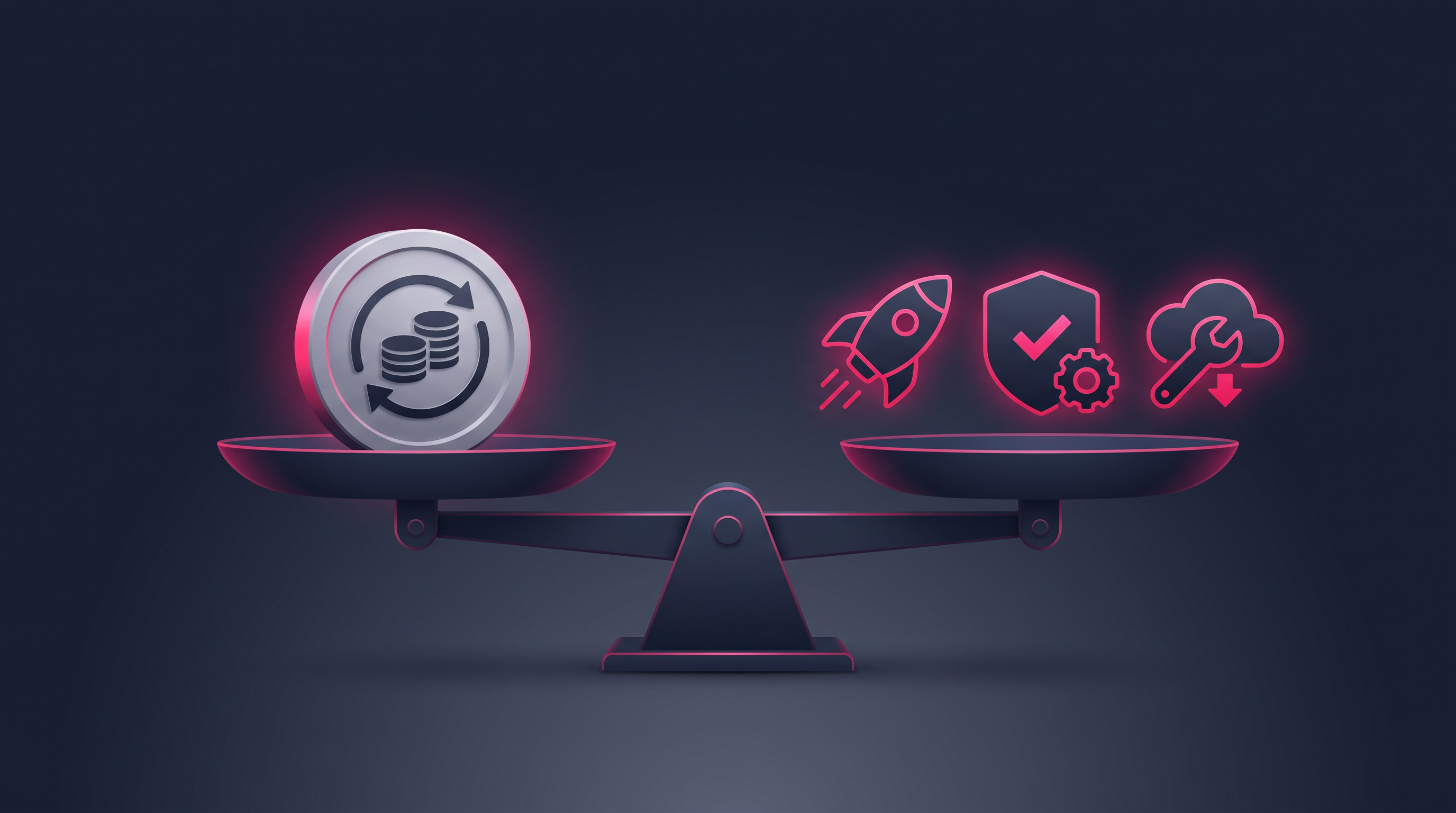
The real question: it’s less “is Shopify good?” (it is) and more “do I value convenience or control more?” If you want the lowest running cost and total control, lean WooCommerce. If you want the fastest, most hands-off launch, Shopify is well worth its fee.
Shopify vs WooCommerce, in one breath
The choice most Pakistani businesses actually face is Shopify versus WooCommerce. Shopify is convenience: hosted, maintained, fast to launch, monthly fee. WooCommerce is ownership: self-hosted, no platform commission, more control, more hands-on. Neither is “better” in the abstract — they suit different priorities. If your time is scarce and you’d rather not manage technology, Shopify usually wins. If keeping costs low and owning everything matters most, WooCommerce does.
We break the two down side by side in our guide to WooCommerce vs Shopify for Pakistani businesses, and cover the numbers in our guide to starting an online store. The right answer is the one that fits how you want to run your business, not the one a stranger on the internet insists is best.
Who Shopify is — and isn’t — for
Shopify is an excellent fit for a specific kind of business: one that wants to be selling quickly, values a professional and reliable store, and would genuinely rather not think about hosting, security, or maintenance. If you’re a busy founder or a growing brand that plans to sell nationally or internationally, and you see the monthly fee as buying back your time, Shopify is very likely the right call. It lets you focus on products, marketing, and customers instead of technology.
It’s a weaker fit if you’re extremely cost-sensitive, sell only locally in small volumes, and want to avoid every recurring fee — or if your business needs deeply custom functionality that fights against Shopify’s structured way of doing things. In those cases, a self-hosted WooCommerce store often serves you better over the long run. Neither situation is a flaw in Shopify; it’s simply a matter of matching the platform to how your particular business actually operates.
A useful test: write down your top three priorities for the store — say, speed to launch, low running cost, and international selling — and rank them honestly. If convenience and reach sit at the top, Shopify wins comfortably. If squeezing every rupee of cost sits at the top, look harder at WooCommerce. The decision gets much easier once you’re honest about what actually matters most to you.
What the monthly fee actually buys you
It helps to reframe the subscription not as a cost but as a service you’re hiring. That monthly fee quietly covers a team that keeps your store online, secure, and up to date around the clock — work you’d otherwise have to pay a developer or host to handle on a self-managed store. When your store gets a sudden rush of traffic, Shopify absorbs it. When a security patch is needed, it’s applied without you lifting a finger. For most owners, that invisible reliability is worth far more than the sticker price suggests.
The mistake is comparing Shopify’s fee against zero, when the honest comparison is against the real cost of doing the same job yourself: hosting, security, maintenance, and the hours you’d spend managing it all. Seen that way, the fee is often a bargain — especially for a busy owner whose time is better spent on products, marketing, and customers than on server upkeep. The question isn’t whether the fee exists, but whether the time and worry it removes are worth more to you than the money.
So, is Shopify worth it?
For a business that wants a professional store live quickly, values reliability, plans to sell internationally, and would rather not deal with hosting and maintenance — yes, Shopify is absolutely worth it, and the monthly fee is a fair price for what it removes from your plate. For a very cost-sensitive local-only store that wants to avoid recurring platform fees and keep total control, WooCommerce may be the smarter long-term choice.
The best way to decide is to be honest about your own priorities: convenience or control, speed or cost, local or international. Once you’re clear on those, the answer usually becomes obvious — and either way, a well-built store on the right platform will serve you far better than a cheap one on the wrong platform.
Not sure if Shopify is right for you?
Tell us about your business and how you want to grow, and we’ll give you honest advice on whether Shopify, WooCommerce, or something else fits best — then build it for you. A clear recommendation and quote within 24 hours.
Frequently asked questions
Is Shopify good for a small business in Pakistan?
Yes, especially if you value a fast, professional launch and don’t want to manage technology. The main thing to weigh is the monthly subscription, which you pay regardless of sales. For a small but committed store — particularly one eyeing international customers — Shopify’s convenience is usually well worth it.
Can I accept Cash on Delivery on Shopify in Pakistan?
Yes. Cash on Delivery can be enabled on Shopify, usually alongside a local payment gateway and often with a supporting app to manage COD orders. It’s essential for the Pakistani market, so make sure whoever builds your store sets it up properly from launch.
Is Shopify more expensive than WooCommerce?
In ongoing platform cost, usually yes — Shopify charges a monthly fee and WooCommerce doesn’t. But WooCommerce shifts cost into hosting and hands-on maintenance. Shopify often works out cheaper in effort and time. Which is “cheaper” depends on whether you’re spending money or your own hours.
Should I choose Shopify if I want to sell abroad?
Shopify is a strong choice for international selling. It’s built for multi-currency, global commerce, which makes reaching the Pakistani diaspora and overseas customers smoother than on many alternatives. If selling beyond Pakistan is a real goal, that international readiness is a point firmly in Shopify’s favour.
Related articles

How Shopify Payments Work in Pakistan
How customers actually pay you on a Pakistani Shopify store — local gateways, Cash on Delivery, and getting your checkout right.

How to Migrate to Shopify in Pakistan (Without Losing Rankings)
How to move an existing store to Shopify safely — keeping your data, customers, and search rankings intact.

How to Choose a Shopify Theme for Your Pakistani Store
How to choose a Shopify theme the right way — speed, mobile experience, and clarity that converts, not just good looks.