Branding for Small Businesses in Pakistan: Where to Start
“Branding” sounds like something only big companies with big budgets do. It isn’t. For a small business in Pakistan, branding is simply the reason a customer picks you over the shop next door that sells the same thing at the same price — and you can build it deliberately, cheaply, and starting today. This guide covers branding for small businesses in Pakistan: what it actually means, where to start, and what to do when the budget is tight.
Key takeaways
- Branding is far more than a logo — it’s the whole impression you leave.
- Start with what you actually stand for, before touching colours or fonts.
- Consistency is the cheapest and most powerful branding tool you have.
- Strong branding lets a small business charge more and be remembered.
- You can start with almost no budget and invest properly as you grow.
Branding isn’t just a logo
The most common misunderstanding is that branding means getting a logo made. A logo is one small part of it. Your brand is the total impression someone forms about your business: how your shop or website looks, how your packaging feels, how quickly and warmly you reply to a message, what your prices signal, and what people say about you when you’re not in the room.
Put simply, your brand is your reputation made visible. Every business already has one, whether it built it on purpose or not. The question isn’t whether you have a brand — it’s whether the one you have is the one you intended. Branding is just the act of deciding that deliberately rather than leaving it to chance.
Start with what you actually stand for
Before choosing a colour or a font, answer three plain questions honestly. Who exactly are you for? What do you do better, or differently, than the businesses competing with you? And what do you want people to feel when they deal with you — reassured, excited, looked after, impressed?
These answers do the heavy lifting. A business that competes on being the most affordable should look and sound quite different from one competing on craftsmanship, and both are perfectly valid. Trying to appeal to everyone produces a brand that appeals strongly to nobody. Being clear about who you’re for is what makes every later decision easy.
Build a simple, consistent visual identity
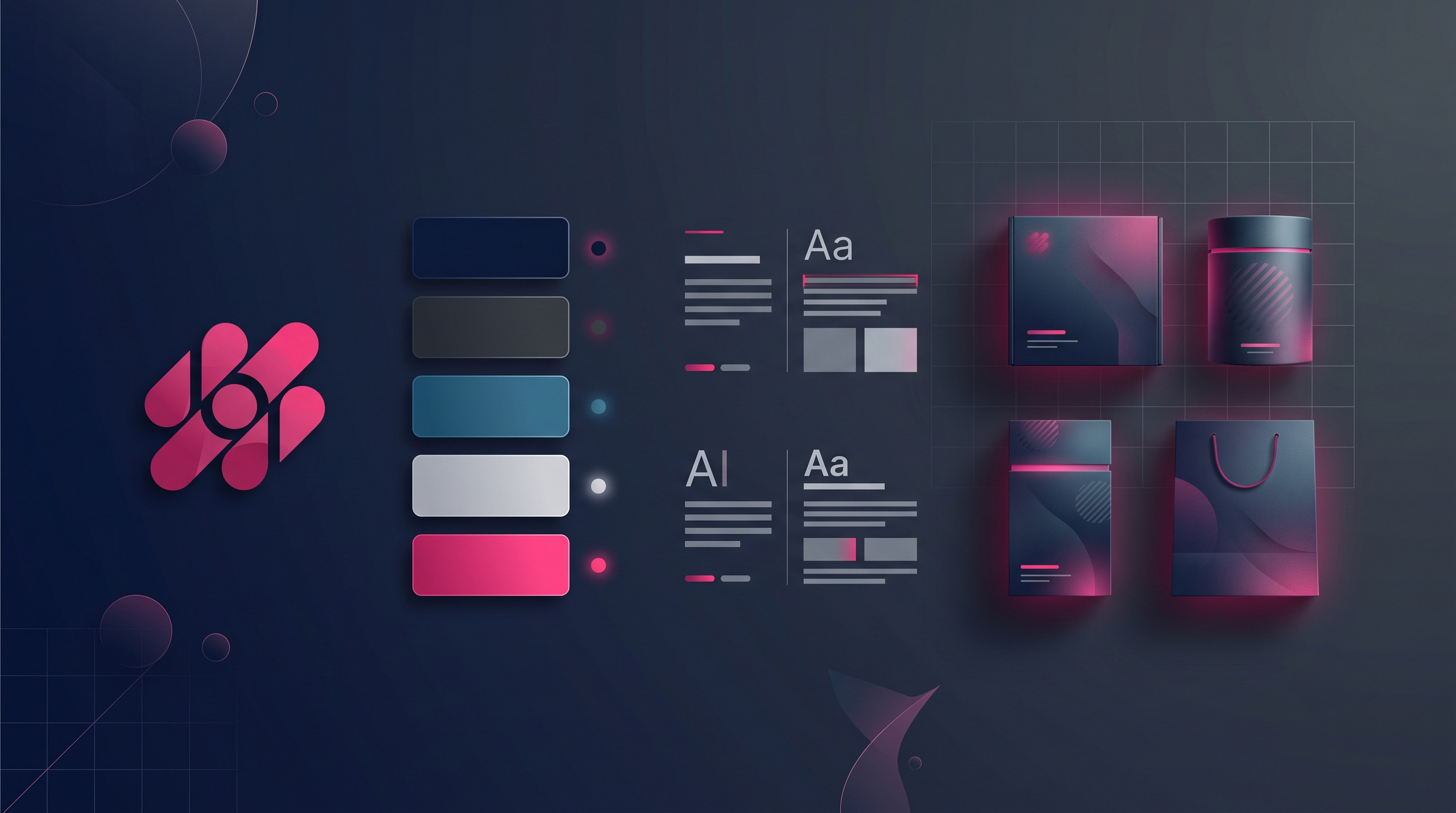
Once you know what you stand for, the visual side becomes straightforward. You need surprisingly little: a clean logo, one or two brand colours, one or two fonts, and a consistent look for your photos. That’s genuinely enough to look coherent and professional everywhere you appear.
Write these down somewhere simple — the exact colour codes, the font names, and how the logo should and shouldn’t be used. It doesn’t need to be a formal brand book. A one-page note that you and anyone who designs for you can follow is enough to stop your business looking slightly different in every place a customer meets it.
Find a voice and use it
How you write is part of your brand, and it’s free. Decide whether you’re formal or friendly, whether you write in English, Urdu, or a natural mix, and whether you’re playful or straight-talking. Then keep that consistent across your website, social posts, WhatsApp replies, and invoices.
Voice matters more than most small businesses realise, because it’s where customers experience you most often. A warm, prompt, human reply to a WhatsApp enquiry does more for your brand than an expensive banner. And unlike design, it costs nothing to get right — it only takes deciding and sticking to it.
Consistency beats budget: a modest brand applied identically everywhere looks far more professional than an expensive logo used inconsistently. If you only do one thing, make everything match.
Apply it everywhere, without exception
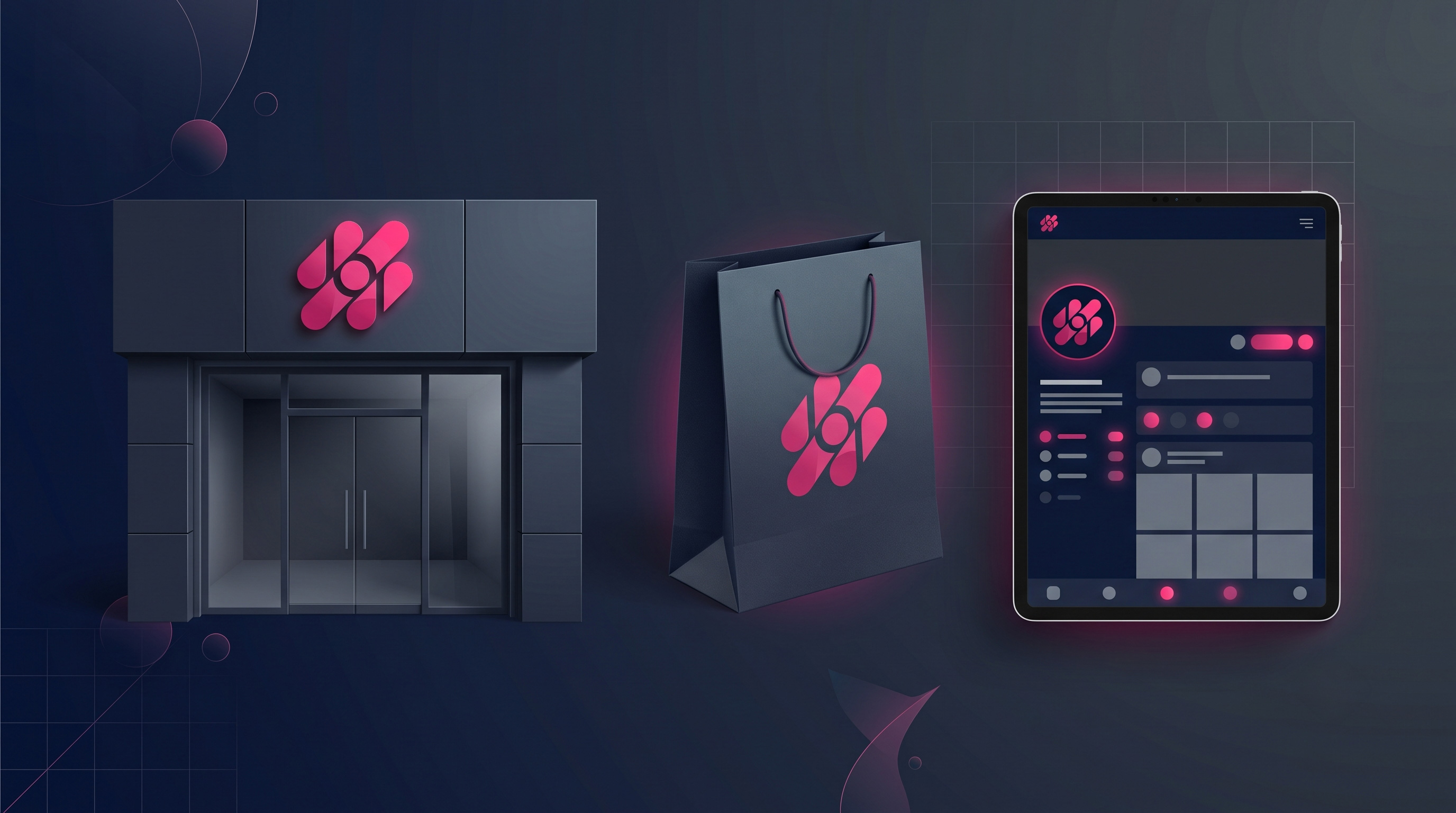
Recognition is built by repetition, so your brand needs to appear consistently in every place a customer meets you. That means your website, your Facebook and Instagram profiles, your WhatsApp display picture, your packaging and delivery slips, your shop signage, your invoices and quotations, your business cards, and your staff’s uniform or name badges.
Go through that list and check each one honestly. Most small businesses find two or three places where an old logo, a different colour, or a stray font is still lurking. Fixing those costs almost nothing and immediately makes the business feel more established. This unglamorous tidying is the highest-return branding work you’ll ever do.
Branding on a small budget
If money is tight, spend it in this order. First, a proper logo with vector source files — it’s the foundation everything else is built on, and redoing it later means redoing everything. Second, a decent website, because it’s the one place you control completely and where serious customers go to judge you. Third, consistent packaging and printed materials.
Everything else can wait. Meanwhile, the free elements — a consistent voice, fast replies, tidy photos with a consistent style, and using the same colours everywhere — cost nothing and carry an enormous share of the impression you make. Plenty of respected Pakistani businesses were built on exactly that before they ever paid for a full identity.
When to invest in a full identity
There’s a point where piecemeal branding starts holding you back. Usually it’s when you’re competing for larger or more discerning customers, opening a second location, launching a serious online store, or when you notice competitors look distinctly more professional than you. That’s the moment a complete corporate identity earns its cost.
A full identity gives you a logo suite, a defined colour palette and typography, guidelines for using them, and consistent templates for the things you produce regularly. The value isn’t the documents — it’s that every future piece of marketing becomes faster to produce and automatically consistent, which compounds as you grow.
Common small-business branding mistakes
The frequent ones are easy to avoid once you can see them. Changing your look every few months, which resets the recognition you’ve been building. Copying a big competitor’s style, which makes you forgettable rather than credible. Using a different logo version on every platform. Choosing colours because the owner likes them rather than because they suit the audience.
And the biggest one: treating branding as a one-off task that’s “done” when the logo arrives. Brands are built by showing up consistently over years. The businesses that feel established in your city aren’t necessarily older or richer — they’re just the ones that looked and sounded the same, reliably, for long enough that people remembered them.
The bottom line
Branding for a small business in Pakistan isn’t about big budgets — it’s about deciding who you’re for, choosing a small and consistent set of visual and verbal choices, and then applying them everywhere without exception. Do that and you’ll look more established than businesses spending far more, because most of them are inconsistent.
Start with the foundations you can afford — a proper logo with source files and a website you control — and let the free elements do the rest until you’re ready to invest further. Branding done patiently is one of the few advantages a small business can build that a bigger competitor can’t simply buy overnight.
Ready to look as good as you are?
We build complete brand identities for Pakistani businesses — logo, colours, typography, and guidelines that make even a new company look established. All source files handed to you.
Frequently asked questions
What’s the difference between a logo and branding?
A logo is a single mark that identifies you. Branding is the entire system and impression around it — colours, typography, tone of voice, packaging, service, and reputation. The logo is one visible piece of a much bigger whole.
Can a very small business afford branding?
Yes. Much of branding is free — a consistent voice, using the same colours everywhere, replying quickly and warmly, and keeping your photos in a consistent style. Start with a proper logo and a website, then add more as you grow.
How long does it take to build a recognisable brand?
Longer than most people hope, but it compounds. Consistency over months and years is what makes a business feel familiar and trusted. The businesses that seem well established in your city are usually just the ones that stayed consistent the longest.
Should I rebrand if my business changes direction?
Possibly, but do it deliberately rather than casually. If your audience or offering has genuinely shifted, a considered rebrand makes sense. If you’re simply bored of your look, resist — you’d be discarding recognition your customers have already built up.
Do I need a formal brand guidelines document?
Not when you’re small. A single page listing your exact colour codes, your font names, and how the logo should and shouldn’t be used is genuinely enough — and far more likely to actually get followed than a long document nobody opens. You can formalise it into proper guidelines later, once several people are producing material on your behalf and consistency becomes harder to police.
Related articles
7 Tests Every Logo Needs to Pass for Scalability
A logo must look sharp from billboard to favicon. Here are 7 practical tests — black and white, small size, line weight,…
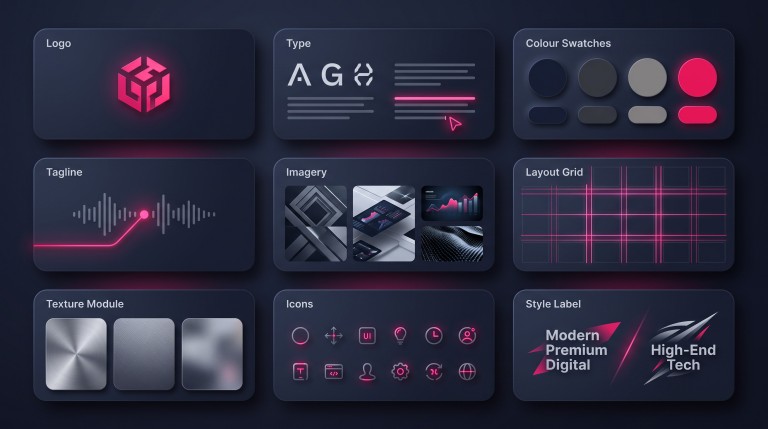
The 9 Core Brand Identity Elements Every Business Needs
A logo is only one piece. Learn the 9 core visual identity elements — logo, typography, colour, tagline, imagery, layout, textures, iconography…
What Makes a Good Logo? A Practical Guide for Pakistani Businesses
What actually makes a good logo — simplicity, scalability, timelessness, distinctiveness — and the files you must receive from your designer.