10 Signs Your Website Needs a Redesign in 2026
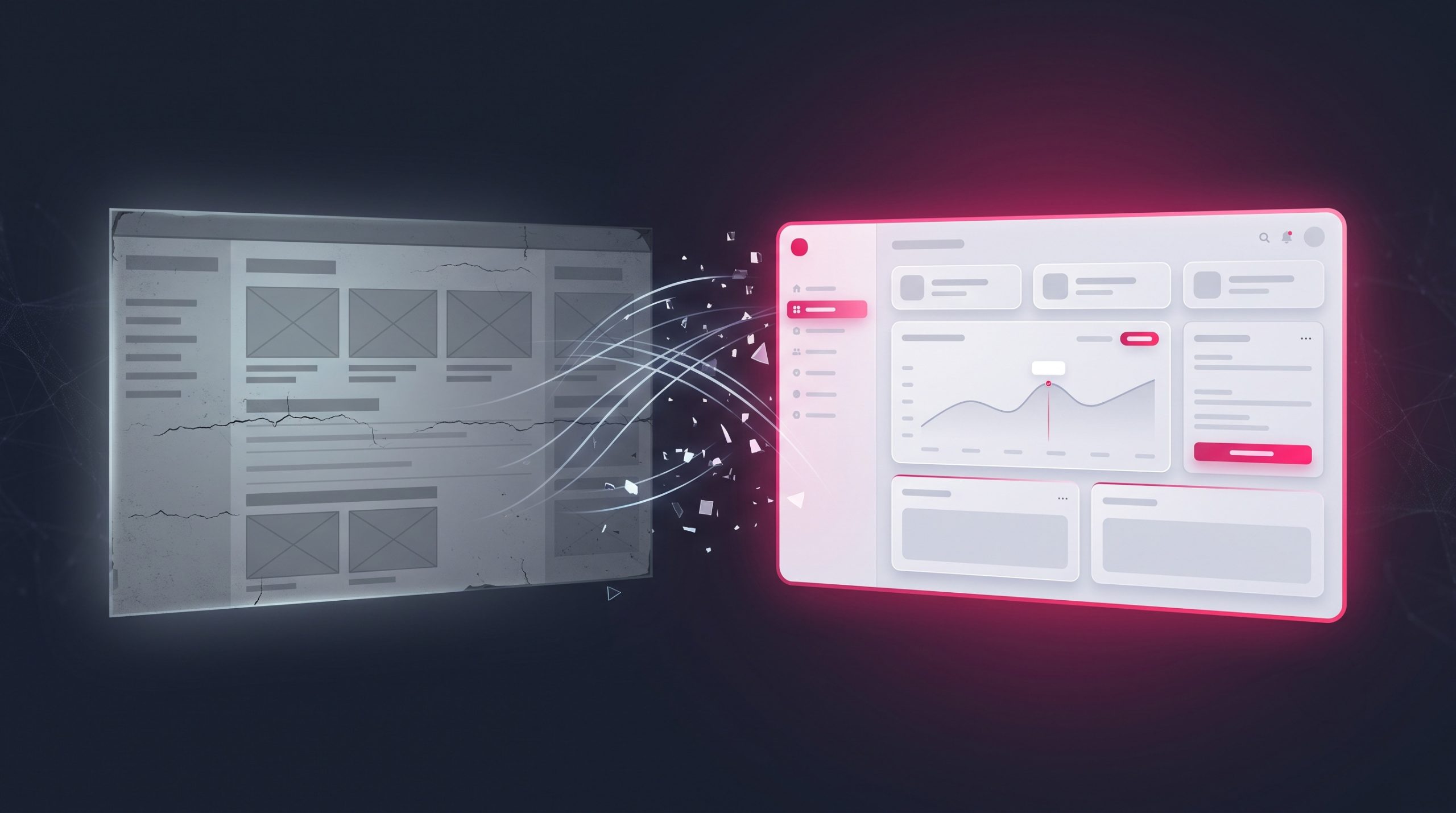
A website doesn’t announce when it’s become a liability — it just quietly costs you customers. Knowing the signs your website needs a redesign lets you act before that decline eats into your business. If several of the ten signs below sound like your site, 2026 is the year to fix it. Here’s how to tell whether your website is helping you grow or holding you back.
Key takeaways
- A dated, slow, or mobile-unfriendly site quietly loses customers every day without you noticing.
- If you can’t update your own site, or it doesn’t bring in enquiries, it’s working against you.
- A redesign is worth it when the signs pile up — usually every three to four years.
- Most of these signs also hurt your Google rankings, so fixing them helps you get found too.
Websites age faster than most business owners realise. Design standards move on, technology advances, and customer expectations rise — so a site that felt modern a few years ago can now be quietly turning people away. The tricky part is that this decline is invisible from the inside: you see your familiar site, while customers see something dated. These ten signs are the objective symptoms to watch for.
1. It looks dated
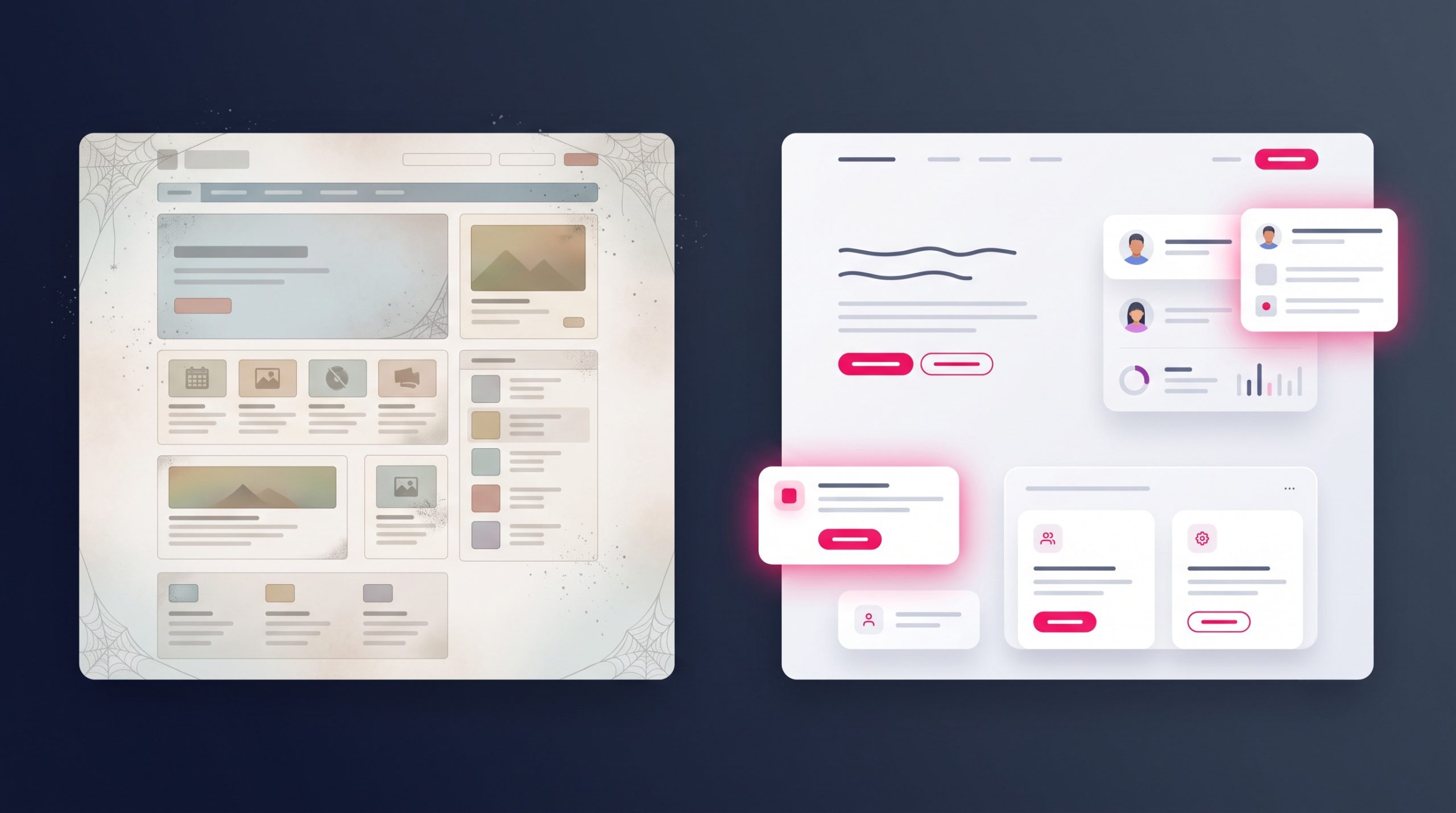
Design trends change, and an old-looking site makes your whole business feel behind the times. If your website’s style clearly belongs to several years ago — cluttered layouts, old-fashioned fonts, a general “2018” feel — visitors subconsciously assume your business is equally dated. First impressions form in seconds, and a tired design spends that moment working against you.
2. It’s slow to load
If your pages take more than a few seconds to appear, you’re losing visitors before they see anything — and on Pakistani mobile data, slow sites bleed traffic constantly. Speed also affects your Google ranking. If your site has gradually become sluggish, that’s a strong sign it needs attention, and often a rebuild on a cleaner foundation.
3. It doesn’t work well on mobile
Since most of your visitors are on phones, a site that’s awkward on mobile — tiny text, hard-to-tap buttons, a layout that spills off the screen — is failing the majority of your audience. If your site was built desktop-first years ago, this is one of the most urgent reasons to redesign.
4. You can’t update it yourself
If changing a price or adding a page means emailing a developer and waiting days, your website is controlling you rather than the other way around. A modern site lets you make everyday updates yourself in minutes. Being locked out of your own content is both frustrating and a sign the site was built on outdated foundations.
5. It’s not bringing in enquiries
The ultimate test of a website is whether it generates business. If yours gets visitors but few or no enquiries, something is broken — unclear messaging, no obvious call to action, hidden contact details, or a lack of trust. A redesign focused on conversion can turn a pretty-but-passive site into one that actively brings you leads.
6. It doesn’t reflect your business anymore
Businesses evolve — new services, new branding, a new direction. If your website still shows who you were two years ago rather than who you are now, it’s misrepresenting you to every visitor. When your site and your real business have drifted apart, it’s time to bring them back into line.
7. Your competitors’ sites look better
Customers compare. If a potential client looks at your site and a competitor’s side by side, and theirs looks more modern, faster, and more trustworthy, you lose — regardless of who actually does better work. When your competitors have moved ahead online, matching or beating them is a direct business necessity, not vanity.
8. It’s not secure (no HTTPS)
If your site still loads without the padlock (HTTPS), browsers actively warn visitors that it’s “not secure” — a message that destroys trust instantly. Security is now an expectation, not an extra. An insecure site is both a red flag to customers and a signal that the site is overdue for modernising.
9. It’s hard to find on Google
If people can’t find you when they search for what you offer, your website isn’t doing its most basic job. Poor rankings often stem from an outdated site with weak structure, slow speed, and no SEO foundation. A redesign built with search in mind can dramatically improve how easily new customers discover you.
10. It’s high-maintenance or keeps breaking
If your site frequently breaks, throws errors, or needs constant patching just to keep working, it’s built on shaky foundations. Beyond the frustration, a fragile site is a security and reputation risk. Rebuilding it properly is usually cheaper and far less stressful than endlessly propping up something that’s fundamentally past its prime.
How many signs is too many? One sign might just need a small fix. But if three or more of these ring true, a patch-up is a false economy — the underlying site is holding you back, and a proper redesign will serve you far better than repeatedly plastering over the cracks.
The ten signs at a glance
| Sign | What it costs you |
|---|---|
| Looks dated | Poor first impression |
| Slow to load | Lost visitors & rankings |
| Poor on mobile | Most of your audience |
| Can’t self-update | Time, money, agility |
| Few enquiries | Actual revenue |
| Outdated content | Trust & accuracy |
| Behind competitors | Head-to-head comparisons |
| Not secure | Instant loss of trust |
| Hard to find | New customers |
| Keeps breaking | Stress & security risk |
Recognise a few of these signs?
Get a free audit and we’ll tell you honestly whether your site needs a redesign or just a few fixes — no pressure.
What to do if you recognised your site
Spotting the signs is the easy part; knowing what to do next is where most businesses stall. A redesign can feel like a big, expensive undertaking, so it gets postponed indefinitely while the site keeps quietly costing you customers. Breaking it into steps makes it far more manageable:
- Diagnose honestly. Test your own site on your phone, time how long it loads, and count how many of the ten signs genuinely apply. Be objective rather than defensive about it.
- Decide what the site must achieve. More enquiries? Online sales? Credibility for bigger clients? A redesign without a goal just produces a prettier version of the same problem.
- Get an outside opinion. You’re too close to your own site to see it as a stranger does. A professional audit surfaces issues you’ve stopped noticing.
- Prioritise ruthlessly. Fix speed, mobile, and conversion first. Those three deliver the most business value; visual polish can follow.
The worst outcome isn’t redesigning at the wrong time — it’s leaving a failing site online for years because the decision felt too daunting to make. Even one honest assessment moves you forward.
Redesign or rebuild? A quick word
“Redesign” doesn’t always mean starting from scratch. Sometimes a site’s foundations are sound and it just needs a fresh design, better content, and speed improvements. Other times — usually when the site is old, fragile, and built on outdated technology — a full rebuild on a modern platform is the smarter, more cost-effective choice. The right answer depends on your specific site, which is exactly what an honest audit will tell you.
Either way, think of it as an investment rather than a cost. A modern website that loads fast, works beautifully on mobile, ranks well, and actively converts visitors pays for itself through the customers it brings in. Continuing to run a dated site that quietly turns people away is the genuinely expensive option — you just never see the bill. When you’re ready to move forward, our web design service and transparent pricing make it easy to plan your redesign.
Frequently asked questions
How often should a website be redesigned?
Most businesses benefit from a significant redesign every three to four years, with smaller updates in between. But the real trigger isn’t the calendar — it’s the signs. If several of the ten above apply to your site, it’s time regardless of its age.
How much does a website redesign cost?
It depends on the size of your site and whether it’s a refresh or a full rebuild. A redesign is often comparable to a new build. The key is that it should pay for itself through better performance — more visitors, more enquiries, and more sales.
Will a redesign hurt my Google rankings?
Done properly, no — and it usually helps. By preserving your content and URLs, adding redirects where needed, and building on a faster, mobile-first foundation, a good redesign typically improves your rankings rather than harming them.
How do I know if I need a redesign or just small fixes?
Count the signs. One or two might need only targeted fixes. Three or more, especially around speed, mobile, and conversions, usually point to a redesign. A free audit will give you an honest recommendation either way — get in touch.
Don’t let an old website hold you back
Your website is often your hardest-working salesperson — or your quietest liability. If several of these ten signs describe your site, it’s costing you customers you’ll never even know you lost. A thoughtful redesign in 2026 turns that around: a fast, modern, mobile-first site that reflects your business, ranks well, and actively brings in enquiries. If you’d like an honest assessment of where your site stands, talk to our team or start with a free audit.
Related articles
10 Things To Do After Launching Your Website
Launching your website is the start, not the finish. Here are 10 essential things to do right after your site goes live…

How to Choose a Web Design Agency in Pakistan
How to choose a web design agency in Pakistan — the questions to ask, the ownership issue nobody mentions, and the warning…
Mobile-First Web Design for Pakistani Businesses
Mobile-first web design for Pakistani businesses — why it matters, what it means, and how to tell if your site gets the…